
Change in life doesn’t happen overnight, but with scientific tools and persistent effort, anyone can gradually move closer to their ideal self. This article combines Cognitive Behavioral Therapy (CBT) and mindfulness practices to teach you how to scientifically reshape your brain, overcome anxiety, cultivate good habits, and ultimately become the person you want to be.
1. Cognitive Behavioral Therapy and Mindfulness: Reshape Your Thought Patterns
CBT is a well-researched psychological therapy designed to help us identify and change negative and irrational thought patterns. Meanwhile, mindfulness teaches us to live in the present moment and accept ourselves and our emotions instead of being dragged down by negative thoughts. Together, they regulate the inner mind and increase behavioral flexibility, making them powerful tools for personal growth.

2. Consistent Practice and Seeking Support: Keys to Change
Knowing the methods alone is not enough—the key lies in “practice.” Practice is like breaking in new shoes: uncomfortable and doubtful at first, but with persistence, the shoes will fit and your steps will become steady.
Tips to Help You Stick With It:
- Don’t hesitate to seek help
Find people around you who make you feel safe and supported. Share your growth and struggles with them. Their attention and companionship can motivate you to persist. For example, regularly update friends or family on your progress and let them be your accountability partners. - Needs change over time—stay flexible
Your growth is not a straight line or static. You might rely on certain people initially but later need more space. Learn to express your true needs and adjust support accordingly to avoid burnout or resistance. - Climb step by step—celebrate every progress
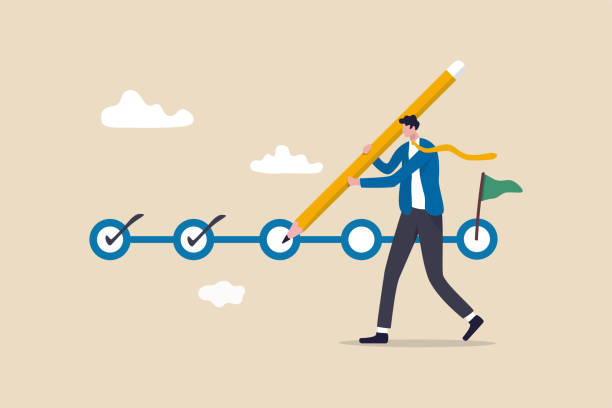
No matter how small, every improvement deserves celebration. These small victories accumulate into powerful motivation for change. - Keep an open mind—dare to try new methods
Some approaches may seem odd at first, but scientific research proves their effectiveness. You can experiment in comfortable settings, like practicing breathing exercises or mindfulness meditation in your room. - Choose the right time—avoid learning new skills during emotional overwhelm
When anxiety or stress peaks, the mind resists new information. Pick relatively calm moments to practice, such as journaling or meditating before sleep. - Be gentle with yourself—allow mistakes and breaks
It’s okay to pause practice during busy or low emotional periods. Don’t be harsh—just start again when you can. - Accumulate steadily—consistency beats intensity
Daily practice, even for a few minutes, is more effective than occasional long sessions. Change takes time, just like learning any new skill—you can’t expect perfection on the first try.
3. Track Your Anxiety and Enhance Self-Awareness
Anxiety and negative emotions often hinder change. By recording and analyzing your anxiety patterns, you can better understand yourself and respond effectively.
Practical Steps:
- Create an anxiety tracking log
Record when anxiety occurs each day and what triggered it. Keep it simple with date, time, and event. - Choose fixed times to track to minimize disruption
You might review your emotions at a set time daily or track continuously for a day or two to observe fluctuations. - Protect your privacy
Use abbreviations or codes if worried about others seeing your records. - Identify emotional patterns
Notice common triggers, such as certain places, times, or people. Knowing your triggers enables targeted coping strategies. - Use a 0-10 scale to rate anxiety intensity
Quantifying emotions helps detect trends and changes over time.
4. Analyze the Structure of Emotions: Cognition, Physical Reactions, and Behavior
Emotions consist of three parts: thoughts (cognition), bodily sensations (physical reactions), and actual behavior. Learning to differentiate these helps us face emotions more rationally.
Practice example: Think about a recent anxiety-inducing event and answer:
- What were you thinking at that moment?
- What physical reactions did you notice?
- What did you do?
For instance:
Situation: Struggling with a difficult exam question while studying.
Cognition: “I’ll fail for sure; others will think I’m dumb.”
Body: Heart racing, muscles tense.
Behavior: Procrastinate, leaving revision until the last minute.
This exercise builds emotional awareness and reduces unconscious reactions.
5. Evaluate Short-Term and Long-Term Effects of Your Behavior
Every behavior has immediate benefits and subsequent consequences. Learning to analyze these helps change bad habits.
Take procrastination as an example:
- Short-term benefit: Temporary relief and avoidance of discomfort.
- Long-term consequence: Increased stress, more mistakes, reduced confidence.
Conversely, overcoming anxiety and finishing tasks on time results in:
- Short-term feeling: Nervous but accomplished.
- Long-term effect: Improved skills and recognition.
Understanding these helps build more positive behavior patterns.
6. Visualize Your Ideal Self to Ignite Inner Motivation
Through visualization, you can vividly imagine a confident, anxiety-free version of yourself. Spend 15 minutes daily picturing that life: your emotions, actions, relationships, studies, and daily routines.
- Include specific details to make the image vivid.
- Keep a journal of your visualizations and underlying motivations.
- Analyze obstacles to change and create practical solutions.
Visualization not only boosts motivation but also clarifies your self-understanding.
7. Start Mindfulness Practice to Cultivate Focus and Acceptance
Mindfulness trains focus and emotion regulation. Like athletes practicing muscle memory, mindfulness requires repeated practice to become internalized.
How to Begin:
- Make a specific plan, e.g., 5 minutes daily at a fixed time.
- Choose a comfortable, consistent spot—like your bed before sleep or during commute.
- Pick one mindfulness technique, such as focusing on breath, body scan, or single-task concentration.
- Practice daily, gradually increasing duration.
- Record your practice and feelings to adjust continuously.
- Stay open and curious—try different methods until you find what suits you best.
8. Practice Mindfulness in Daily Life—Focus on One Thing at a Time
Modern life often demands multitasking, leading to distraction and stress. Mindfulness teaches you to slow down and concentrate fully on the present task.
For example, focus on savoring your food while eating, or devote full attention to your work tasks. With long-term practice, you’ll notice more stable emotions, reduced stress, and improved efficiency.
Becoming the person you want to be is a continuous journey. By using CBT techniques, practicing mindfulness, and cultivating self-awareness and emotional management, you can steadily adjust your thinking and behavior patterns. The key is to keep practicing, stay open-minded, and adapt flexibly to life’s changes. Remember, every small step forward is a crucial move toward your ideal self.