
In today’s ever-changing and challenging world, psychological resilience has become an essential skill. It not only helps us stand strong amid adversity but also enables us to actively cope with various stresses and difficulties in life and work. However, many people don’t realize that resilience is not innate — it can be cultivated through scientific methods and good habits. More importantly, we need to break free from the “fixed mindset labels” we impose on ourselves, making our beliefs more flexible and open, thereby truly unlocking our inner potential.
Core Elements of Psychological Resilience
To become a psychologically resilient person, it is crucial to develop the following abilities and habits:
1. Maintain an Optimistic Mindset
Optimism is not blind positivity but a realistic and hopeful expectation. Studies show that optimistic people tend to live longer, perform better at work, and have better financial conditions. Optimism allows us to see hope and solutions when facing setbacks instead of falling into despair. You can cultivate optimistic thinking through these practices:
- Every morning and evening, recall three good things and write them down;
- Avoid browsing negative news in the morning and start the day with gratitude;
- Choose positive social environments and stay away from negativity;
- View failure as a growth opportunity, persistently seek fortunate chances;
- When facing problems, prioritize finding solutions instead of complaining.
2. Manage Emotions Well, Especially Negative Ones
Emotions are natural responses to our environment. Negative emotions, like pain, serve as warning signals for our body and mind. The key is not the negative emotions themselves but how you respond and manage them. Learning to notice your emotions, understand their sources, and actively choose how to respond is foundational for resilience. Try using a simple “How — Why — What to do” method to control your emotions:
- How am I feeling right now?
- What is the root cause of this feeling?
- What should I do next?
Facing fears courageously, gradually exposing yourself to fear-inducing situations, or balancing fear and hope through internal dialogue are effective ways to overcome fear.
3. Build Confidence and Belief
Confidence stems from a sense of self-efficacy and control. Believing in your ability to face challenges and steer your fate is at the heart of resilience. You can boost confidence by:
- Continuously learning and practicing to accumulate skills and experience;
- Focusing on progress made, not on failures;
- Expanding your support network to gain professional and emotional support;
- Establishing your influence in teams and society.
4. Develop Supportive Relationships
Humans are social creatures; support and connection are vital to resilience. Through trust, listening, expressing gratitude, and effective socializing, we can build a strong support network that helps share pressure and provides help and motivation when needed. Pay special attention to:
- Forming alliances in personal and professional spheres;
- Actively listening and understanding others, avoiding snap judgments;
- Expressing gratitude and praise in good times to strengthen bonds;
- Maintaining diversity and balance in your social circle.
5. Focus on Energy and Time Management
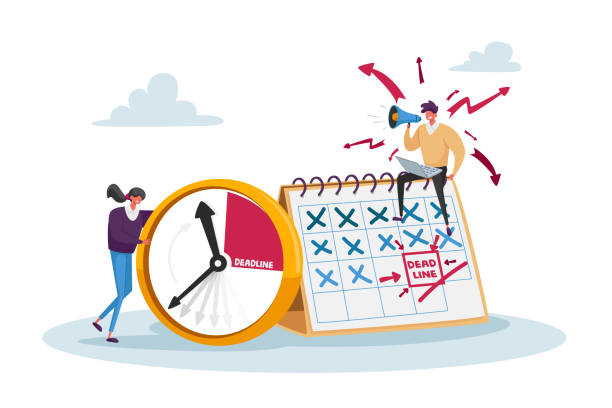
Efficient management of time and energy underpins resilience. Clear goals, reducing distractions, and eliminating meaningless activities help you focus on what truly matters. Adequate sleep, reasonable exercise, and proper nutrition are also crucial to support psychological resilience.
6. Learn to Choose and Prioritize
Life is full of choices, and part of resilience comes from feeling in control of these choices. Learning to say no to meaningless drains and prioritizing things that foster growth and satisfaction helps maintain mental toughness.
7. Find a Sense of Purpose
Purpose is a powerful driver of resilience. Finding meaning in life and work gives us stronger motivation to persevere through difficulties. Whether in career, family, or hobbies, a sense of mission helps focus on higher-level goals.
8. Keep Learning and Growing
Resilience is not static but a continuously developing ability. By constantly acquiring new knowledge and skills, we broaden our perspective, improve problem-solving ability, and avoid falling into rigid thinking patterns.
9. Create a Growth-Friendly Environment
The environment strongly influences our mental state. Actively creating a supportive and positive external environment, such as choosing optimistic friends and a healthy work atmosphere, helps nurture resilience.
Breaking Free from “Fixed Mindsets” to Make Beliefs More Flexible
“Fixed mindsets” refer to habitual belief patterns formed from past experiences that help us quickly understand and judge the world but sometimes limit us, causing labels and biases. To break free from fixed thinking, it’s key to cultivate flexible thinking:
The Three-Step Method: Stop, Reflect, Improve
- Stop: Notice your automatic reaction and ask yourself, “Is this reaction helpful?”
- Reflect: Ask deeper questions like “Why do I think this way?” and “What’s the worst possible outcome?”
- Improve: Try adjusting your beliefs by asking, “Is there a more flexible perspective?” and “What can I do to change?”
Avoid These Five Thinking Traps
- Catastrophizing (words like “always,” “never”);
- Helplessness (“I’m doomed to fail”);
- Mind-reading others (“They don’t really care about me”);
- Externalizing responsibility (“It’s all someone else’s fault”);
- Overpersonalizing responsibility (“It’s all my fault”).
Challenge these traps by using phrases like:
- “This is not entirely true because…”
- “A more optimistic view is…”
- “I can improve by…”
These exercises make your beliefs more flexible and naturally boost resilience.
Psychological resilience is not an innate magic but a system of skills and habits. By maintaining optimism, managing emotions, building confidence, developing support, managing energy, making proactive choices, finding purpose, learning continuously, and creating a positive environment, you can become mentally tougher. Simultaneously, breaking fixed mindset patterns and making beliefs more flexible and open will unlock a broader space for growth.
No matter where you start, you will gain tremendous benefits. May your path of growth become steadier, embracing a richer and more vibrant life.