In today’s world, constant information overload and endless entertainment distractions make it difficult for children to maintain focus for long periods during study. To help children achieve a breakthrough in their academic performance, developing good attention management skills is essential. Among various time management and concentration techniques, the Pomodoro Study Method stands out as a simple yet highly effective tool that many families now rely on.
This article will introduce you and your child to the core principles of the Pomodoro Study Method, practical steps to implement it, and how to scientifically apply it to improve your child’s study efficiency and academic results. Whether your child struggles with distractibility or lacks motivation, this method can help them easily build focused study habits, making learning more enjoyable and productive.
1. What Is the Pomodoro Study Method and Why Is It So Effective?
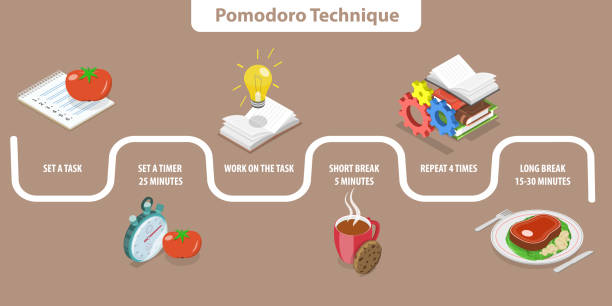
The Pomodoro Study Method originates from a widely used adult time management technique called the “Pomodoro Technique.” It divides study time into short cycles of 25 minutes of focused study followed by a 5-minute break. This “interval learning” approach maximizes sustained attention and keeps the brain energized. For children, the time intervals can be adjusted based on their age and attention span, tailoring it to their specific needs.
Why Does Interval Learning Work Better?
Scientific research shows that the human brain’s attention and memory have natural peaks and valleys. Key findings include:
- During the first 30 minutes of continuous learning, the brain can effectively absorb about 78% of new information;
- After 30 minutes, brain fatigue sets in quickly, and learning efficiency drops sharply, with retention falling to only 22%.
Extending study sessions beyond this point causes a rapid decline in efficiency and can harm both motivation and mood. The Pomodoro Method leverages short bursts of intense focus combined with rest to keep the brain fresh, resulting in better overall learning quality and performance.
2. How to Plan and Execute the Pomodoro Study Method Scientifically?
1. Set Clear, Actionable Study Goals
Before starting the Pomodoro Method, it’s crucial to define learning objectives and estimate the number of Pomodoro sessions needed per task — one Pomodoro equals 25 minutes of focused study.
- For homework, review, or preview tasks, start by estimating time based on intuition and experience;
- Over time, adjust these estimates using actual data and completion records;
- For practice tests and drills, refer to recommended answer times per question type and tailor based on your child’s level.
This planning helps kids understand how much time they need, fostering time awareness and self-management skills.
2. Avoid Frequent Subject Switching
Many kids jump randomly between subjects during study, which severely reduces efficiency as the brain must switch thinking modes. For example, language arts and math use very different cognitive processes; frequent switching wastes time and increases errors.
Recommendations:
- Group similar subjects together (e.g., language arts and English);
- Limit study blocks to no more than 7 Pomodoros (~3 hours);
- Arrange subjects by energy levels, tackling harder subjects when the child is most alert.
This protects mental energy and boosts overall study efficiency.
3. Combine Study with Exercise to Boost Brain Power
Research shows aerobic exercise significantly improves learning outcomes and attention span. The best routine is “exercise first, then study”:
- Do about 30 minutes of moderate to high-intensity aerobic activity (e.g., running, jump rope) keeping heart rate around 80% of maximum;
- Rest for half an hour afterward, hydrate, and refuel;
- Then start studying — focus and memory will be noticeably enhanced.
This holistic approach not only improves academic performance but also promotes healthy habits.

3. Detailed Pomodoro Study Method Execution Guide
1. Use Standard Pomodoro Timing
- 25 minutes focused study, 5 minutes break to keep a consistent rhythm;
- Avoid arbitrary timing changes to prevent disrupting the flow;
- After every 4-5 Pomodoros, take a longer break of 15-20 minutes for full mental and physical recovery.
2. Follow the Single-Task Principle
Focus on only one task or subject per Pomodoro session — no switching mid-session to ensure quality.
3. Record Interruptions and Study Conditions
If interruptions occur (classmate distractions, sudden thoughts, discomfort), immediately pause the timer and note the cause and duration. When interruptions accumulate, stop and review the reasons, then find solutions.
4. Adjusting Pomodoro Length Based on Age and Individual Differences
Attention span grows with age; here are reference Pomodoro durations:
- Ages 2-3: 5-10 minutes;
- Ages 5-6: 10-15 minutes;
- Ages 7-10: 15-20 minutes;
- Ages 10-12: 25-30 minutes;
- Ages 12-15: over 30 minutes;
- Age 15+: about 50 minutes (close to adult peak).
Every child is different — adjust the Pomodoro length from the standard 25 minutes based on feedback and records to maintain efficient learning without burnout.
5. Keep Records, Reflect, and Continuously Improve
Good study habits come from deep self-awareness and ongoing adjustments. The Pomodoro Method emphasizes two important records:
1. Pomodoro Session Log
- Track the actual number of Pomodoros spent per task;
- Note task completion and analyze discrepancies between plan and reality.
2. Interruption Log
- Record time, cause, source, and handling of distractions;
- Analyze avoidable interruptions and those causing task failure;
- Summarize lessons learned to improve study environment and strategies.
With continued data collection, children and parents can better understand study efficiency trends and find the best personalized rhythm and method.
6. : Helping Your Child Grow Confident and Efficient
The Pomodoro Study Method is not just a time management technique but a systematic way to help children build discipline, improve focus, and increase interest in learning. It brings rhythm and planning to study while ensuring adequate rest to avoid fatigue.
If your child frequently loses focus, procrastinates, or hits academic plateaus, I strongly recommend trying the Pomodoro Method. Consider buying a child-friendly Pomodoro study book to read and practice together, experiencing firsthand the positive changes this scientific method can bring.
May every child soar to new heights during their focused “Pomodoro Time” and embrace a brighter future!