
In today’s fast-paced era, we often feel overwhelmed by the relentless pace of life and heavy workloads. Whether it’s the high pressure at work or the piling responsibilities in daily life, these invisible burdens weigh heavily on our shoulders every moment. We strive to keep smiling, conforming to society’s expectations and rules, yet the pressure inside silently erodes our passion and vitality. In the face of this uncertain world, learning to respond with a philosophical and positive outlook has become a necessary skill for each of us.
This article will elaborate on how to effectively reduce long-term stress, protect mental health, and enhance our adaptability to life’s uncertainties through systematic strategies.
1. Effective Response: Learning to Make Wise Choices Between the Moment and the Long Term
Life is full of countless moments of choice. Sometimes we react instantly in less than a second; other times decisions require years of careful consideration. When facing pressure, we must return to reality and clearly realize that no matter how the external environment changes, it is ultimately ourselves who decide the direction of our lives.
Stress, social responsibilities, and living conditions undoubtedly influence our thoughts and actions, but we can still actively choose how to think, express ourselves, and act. These seemingly small momentary choices, when connected, shape the trajectory of our lives and grant us the power of freedom and liberation.
As writer Joan Didion said, “The willingness to take responsibility for your own life is the foundation of self-respect and dignity.” This insight captures the core of actively facing life’s pressures: we must acknowledge and take charge of our life.
When feeling stressed, try asking yourself:
- Am I willing to continue like this, or should I actively make a change?
- Given the current situation, what can I do to reduce harm?
- What actions can help me gradually improve my circumstances?
These questions guide us from passive endurance toward proactive choice, opening doors to new possibilities.
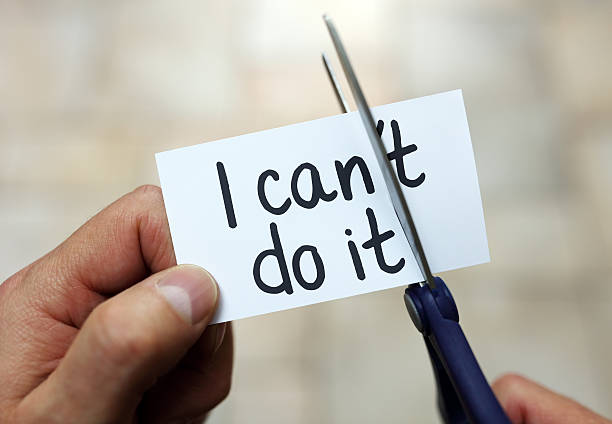
2. Less Is More: Key Strategies to Effectively Alleviate Stress
Stress is a normal part of life, but it often manifests subtly and variably, making it hard to notice. A 2015 global survey by Forbes showed over 14% of respondents experience chronic stress. The WHO’s 2017 report pointed out that depression is a leading cause of disability and physical illness worldwide.
Undeniably, we all face extremely painful moments that no one can endure continuously, even for a few minutes. But in most cases, stress is a manageable state. It can be alleviated by shifting attention, adjusting thought patterns, or changing habits. The key is not to add unnecessary complexity to an already overloaded life.
Pema Chodron, a Tibetan Buddhist teacher, said, “Whatever you are doing now, you can do it better.” This reminds us that daily small improvements accumulate over time and create huge change.
We must learn to allocate time and energy wisely, distinguishing what truly matters from what can be let go. Signs like distracted attention, dissociation from reality, excessive dependence on certain things, and energy depletion show we haven’t managed our life load well. Once aware, we can adjust by:
- Clearing and refocusing when attention drifts
- Returning to the present when feeling detached
- Embracing new experiences and curiosity when feeling stuck or dependent
- Seeking restoration when fatigued physically or mentally
“Less is more” is not just life wisdom, but a safeguard for mental health. We should consciously reduce energy-draining, unproductive activities and instead focus on behaviors that make us stronger and more in control. According to the theory of marginal gains, improving even 1% daily leads to substantial long-term progress.
So ask yourself, “What can I do today to reduce stress even by 1%?” Such small, consistent efforts will help build a resilient mind to face an uncertain world.
3. Eliminating Distractions and Nurturing Inner Peace
Modern society is flooded with distractions vying for our attention: media, social networks, news alerts — everywhere. These serve as information sources but also as causes of distraction. We often unconsciously get pulled by these external stimuli, leading to scattered focus or even addiction to dopamine-driven short-term pleasure.
Research from Cambridge and Maryland Universities shows that psychological stress caused by electronic device and internet addiction is widespread. Many find it hard to disconnect from phones and the internet, experiencing anxiety and withdrawal symptoms. While endlessly scrolling through news or others’ lives, we sacrifice our own time and mental health.
Facing this, we need to ask ourselves: Are these contents helping me grow or distracting me? Should I pause and question: Is this truly worth my time? Do I have more important things to focus on?
Additionally, our minds constantly drift between past and future, caught in swirling memories and fantasies, neglecting the real life before us. This wandering mind causes anxiety and unease. We must learn to live in the present, focusing on the people and things right in front of us.

4. Cultivating Proactive Awareness and Mastering Attention
Psychological research identifies four key brain circuits determining sustained well-being:
- The ability to maintain positive emotions
- The ability to recover from negative states
- The ability to focus attention
- The ability to practice generosity and forgiveness
By actively managing our attention, we can strengthen these abilities. Each day, pause to ask:
- Am I maintaining a positive mindset now?
- Am I working to break free from negative emotions?
- Where is my attention focused?
- Do my words and actions reflect generosity and tolerance?
Such self-reflection not only boosts psychological resilience but also helps us navigate a complex and ever-changing world with steadiness.
5. Cherishing Morning Time to Start the Day Positively
The tone of the day is often set in the morning. Many cultures emphasize morning calm and mindfulness as a golden time to adjust mindset and set goals. Research shows that exposure to political news and negative information first thing in the morning is a major source of daily stress.
We should avoid grabbing our phones immediately upon waking to immerse ourselves in news and social media floods. Instead, allow a moment for deep breathing and set realistic goals for the day. This greatly helps us begin with calmness and positivity.
Remember: The beauty you encounter and experience often depends on your attitude toward it. Walking through life with respect and patience naturally draws goodness near.
6. Managing External Distractions and Establishing Healthy Life Rules
Once your goals for the day are clear, next is controlling the quantity and quality of distractions. Setting time limits on electronic device usage and reducing meaningless browsing and information intake not only protects yourself but helps build a healthy social culture.
Creating such rules is the first step to safeguarding attention and energy, and the key to moving from chaos to inner peace.
7. Practicing Gratitude to Activate Inner Positivity
Gratitude is a powerful psychological force that improves physical and mental health and fosters social connections. Neuroscience finds gratitude activates brain areas related to social bonding and pleasure, releasing dopamine and serotonin, enhancing happiness.
We should daily pay attention to things worth appreciating, whether progress made or small warmth in life. Developing a habit of expressing gratitude morning and night cultivates a positive outlook and helps us face life’s uncertainties more gracefully.
Uncertainty and stress in the world are unavoidable, but we can choose to face them with a philosophical and positive mindset. By responding effectively to stress, reducing unnecessary distractions, cultivating proactive awareness, cherishing each morning, setting healthy rules, and practicing gratitude, we not only lighten our psychological burden but also live more freely and powerfully in uncertain times.
Remember, true freedom is not the absence of all stress, but having the right to choose amid stress; true happiness is not the lack of difficulties, but the ability to meet every challenge with wisdom and courage.
May you and I both become the masters of our own lives, embracing each future day with calmness and positivity.