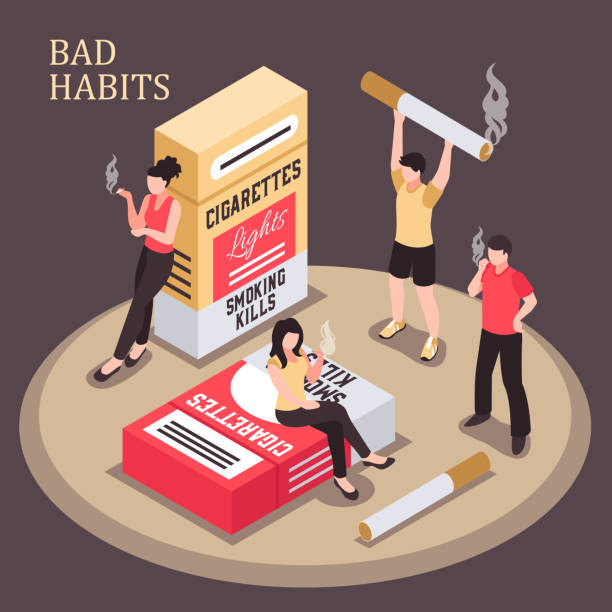
If you want to live a long life, even up to 200 years, you must first understand that many killers of early death are hidden in our daily habits. Smoking, drinking, and sugar—these three seemingly ordinary things are actually the top killers that push you prematurely toward the finish line. Sounds a bit like what your mom always tells you, right? Don’t dismiss it—she’s right. If you don’t listen to your mom now, at least listen to me.
Smoking — Poisoning the Source of Your Life
Smoking’s damage to health is absolutely deadly. According to the U.S. Centers for Disease Control and Prevention (CDC), smoking causes nearly 480,000 deaths annually—about one-fifth of all deaths in the U.S.! Ninety percent of lung cancer patients have a direct link to smoking, and 80% of chronic obstructive pulmonary disease (COPD) cases are nearly all caused by it. Smoking increases the risk of coronary heart disease and stroke by 2 to 4 times, and the risk of cancers at least 25 times. Calling cigarettes a “cancer factory” is no exaggeration.
Why is quitting smoking so difficult? Because nicotine stimulates the brain to release dopamine, the “pleasure hormone” that makes your brain feel good when smoking. The brain’s reward and desire centers, such as the nucleus accumbens and prefrontal cortex, hold a secret meeting that convinces you to keep loving smoking. The difficulty of withdrawal is almost as hard as forgetting how to swim or ride a bike—once the habit forms, it’s very hard to erase.
Excessive Drinking — A Hidden Time Bomb
Alcohol is another culprit that accelerates aging and disease. While moderate red wine consumption is considered beneficial to heart and brain health, excessive drinking is extremely harmful. Long-term heavy drinking damages the liver and pancreas, causes high blood pressure, increases risks of heart disease, stroke, and multiple cancers, disrupts the immune system, and can even speed up Alzheimer’s progression.
The World Health Organization reports that about 3 million people die annually from alcohol-related diseases, accounting for roughly 5% of all deaths worldwide. Alcohol converts into acetaldehyde in the body, a strong carcinogen that raises the risk of breast, colon, and various other cancers.
Worse yet, most alcoholic beverages are fermented from sugar-rich fruits and grains, and excessive intake not only causes blood sugar spikes but also promotes binge eating and obesity. Studies find heavy drinkers have a 70% higher risk of obesity than light drinkers. Drinking 1–2 glasses of wine weekly is considered moderate; beyond that, damage accelerates.
Sugar — The Underestimated Health Killer
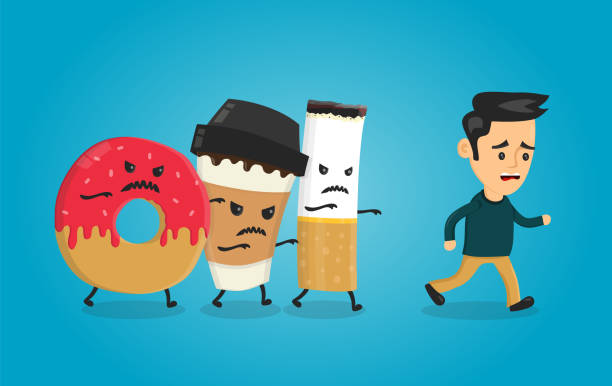
Sugar seems harmless but is a hidden killer of your lifespan. It is an energy source, but excessive intake causes disaster. The body converts glucose into energy through cellular respiration, but too much sugar overloads the pancreas, causing insulin resistance, fat accumulation, and metabolic syndrome. This syndrome includes abdominal obesity, high blood pressure, elevated triglycerides, bad cholesterol, and high fasting blood sugar, dramatically increasing cardiovascular disease and diabetes risks.
Sugar’s harm also comes from chronic inflammation it triggers. Minor blood sugar fluctuations lead to protein glycation, which induces brain inflammation closely linked to Alzheimer’s disease.
While sugars in fruits, vegetables, and grains are healthy when consumed reasonably, excessive intake—especially of processed sugars—is highly harmful. Sugary drinks and processed foods are the main sources of hidden sugar. You must stay away from these “hidden sugars” and return to a natural diet.
Eat Less, Eat Early — Start Your Path to Healthy Longevity
Studies show calorie restriction can significantly extend lifespan. In the 1930s, scientist Clive McCay found that reducing food intake by 30%–50% in mice not only improved their health but extended their lifespan by one-third. This has been repeatedly validated in many animal studies, including worms, mice, and primates.
Calorie restriction lowers the risks of diabetes, cancer, heart disease, and cognitive decline, while reducing obesity and insulin resistance and enhancing immune function. In humans, a large 2019 study showed that after two years of sustained calorie restriction, participants improved cholesterol, blood pressure, and insulin sensitivity significantly.
Intermittent fasting, as a form of calorie control, is increasingly proven beneficial. For example, the 16:8 method—eating only within an 8-hour window each day and fasting for the other 16 hours. As you adapt, you can try stricter 18:6 fasting. Intermittent fasting helps with weight loss, stabilizes blood sugar, lowers cholesterol and blood pressure, and keeps energy high and mind sharp.
Scientists have also found that consuming most of your daily calories in the morning helps burn more calories, reduces blood sugar and triglycerides, and helps maintain ideal weight and health.
Let Food Be Your Medicine — Say Goodbye to Diseases
- Eat More Plant-Based Foods
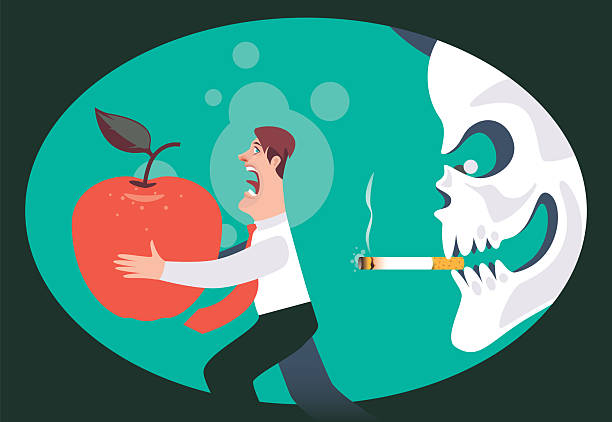
Ensure each meal is rich in vegetables like broccoli, cauliflower, asparagus, and zucchini. Carrots, beets, and sweet potatoes are not only delicious but support gut health and prevent obesity. For snacks, choose berries, nuts, and fresh veggies. The “Eat the Rainbow” approach tells us different colored vegetables contain different phytochemicals that benefit the body greatly. - Firmly Avoid Processed Foods
Many supermarket products are just “food-like substances” with excessive salt, sugar, saturated fats, and additives. Research shows excessive processed food intake raises mortality risk and cardiovascular disease incidence. The World Health Organization classifies processed meats as Group 1 carcinogens, alongside cigarettes and asbestos. - Choose Organic and Quality Meats
Conventional produce often contains antibiotics, hormones, and pesticide residues, all of which slowly damage your body. Grass-fed, free-range, and wild-caught fish are healthier choices. Though more expensive, they save you huge medical costs in the long run. - Consume Healthy Fats
Not all fats are enemies. Unsaturated fats (monounsaturated and polyunsaturated fatty acids) benefit heart and brain health. Fats in olive oil, nuts, and fish oil help reduce inflammation, maintain cell health, and slow aging.
: Start Now to Live in a 200-Year-Old Body
There’s no shortcut to longevity—the key lies in your daily choices. Quitting smoking and drinking, avoiding sugar, controlling diet wisely, increasing plant foods and healthy fats—all form the foundation for a longer, healthier life. Eating less and earlier, combined with intermittent fasting, can activate your body’s true longevity mode.
Don’t wait until your body’s warning lights turn red. Start changing now, and at 25, you can still be vibrant and healthy for the next 200 years.