
In today’s fast-paced world, stress has become an invisible enemy lurking everywhere. Do you often feel mentally tense, downhearted, or even wake up exhausted in the morning? Actually, by dedicating only 5 minutes a day consistently for 3 months, you can effectively release stress and achieve comprehensive physical and mental improvement. One of the key “secret weapons” behind this is a neurotransmitter in your brain called serotonin.
Serotonin: The Brain’s “Calm and Clarity” Agent
Serotonin is a crucial neurotransmitter that helps keep your brain calm and clear-headed. When serotonin is steadily and consistently released in the brain, it keeps your mind in an optimal working state. That easy morning wake-up and refreshing feeling? That’s serotonin neurons at work.
On the other hand, if serotonin release is irregular or insufficient, it’s like an engine struggling to start. You might find it hard to get out of bed, have trouble concentrating, or experience low mood and depression.
Therefore, maintaining healthy serotonin neuron function is the key to breaking free from stress and regaining vitality.
Exercising Serotonin Neurons: Not Drugs, But Lifestyle Changes

Many mistakenly think depression and stress can only be treated with medication. In reality, mild stress and depressive symptoms are largely lifestyle-related issues. By adjusting daily routines and adding moderate exercise, serotonin neurons can be trained and improved.
Research shows that after 3 months of consistent serotonin-boosting activities, the structure of serotonin neurons begins positive changes, with more noticeable effects after 6 months. Conversely, unhealthy habits cause neuronal deterioration, worsening stress and depression symptoms.
The key takeaway: stick with it for the first 3 months, and you’ll see real progress.
Two Powerful Ways to Activate Serotonin Neurons: Sunshine and Rhythmic Movement
1. Sunshine — Nature’s Serotonin Switch
Sunlight not only lifts your mood but also naturally “switches on” serotonin neurons. Each morning, open your curtains immediately after waking to let sunlight fill your room. Studies have found morning sunlight effectively stimulates serotonin production, helping your brain enter a clear and pleasant state.
If possible, take a 30-minute walk outside along a sunny path in the morning for even better effects. Limit sunlight exposure to under 30 minutes and avoid staring directly at the sun to protect your eyes.
2. Rhythmic Movement — Easy and Enjoyable Neural Training
Rhythmic movement means physical activity with steady rhythm and flow but not necessarily intense effort. Slow jogging, brisk walking, dancing, and yoga are ideal choices. The goal is to help your body remember rhythm, promoting ongoing serotonin release.
Don’t force exercise when tired; adjust duration between 5 to 30 minutes as your body allows. With consistency, rhythmic movement helps regulate emotions and relieve stress.
The Brain’s Three Healing Mechanisms: Different Methods for Different Types of Stress
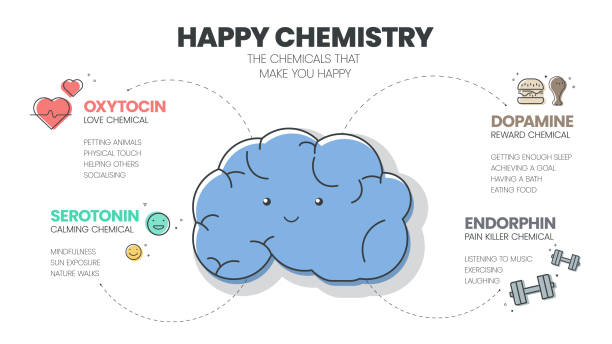
The brain has three self-repair and stress-relief systems, each suited to different kinds of stress.
1. Resting the Cerebral Cortex — The Power of Sleep
Sleep is the most direct and effective brain healing method. When awake, the brain mainly produces beta waves (14-30 Hz). Falling asleep transitions through alpha and theta waves, then into deep delta waves during deep sleep. Sleep blocks external stimuli, allowing full brain and body relaxation to eliminate fatigue.
When physically tired or overwhelmed at work, ample sleep helps the brain and body fully recover.
2. Activating the Cerebral Cortex — Fast Alpha Waves Bring Alertness and Energy
In contrast to sleep, this method activates serotonin neurons through rhythmic movement to enter the fast alpha wave state (10-13 Hz). This brainwave pattern keeps the mind alert yet relaxed, making you feel refreshed and easing anxiety and depression.
For mild depression and mental fatigue, activating the cerebral cortex like this is especially effective.
3. Tear Therapy — Natural Stress Relief Through Emotional Release
Tears aren’t just emotional expressions—they represent a physiological switch from sympathetic nervous system (stress) to parasympathetic nervous system (relaxation). Crying releases emotional tension, bringing mental comfort and calm.
When stress isn’t relieved by exercise or sleep, allowing yourself to cry is the most natural healing method.
Three Major Stress Types and Corresponding Healing Strategies
Scientific studies identify three main types of stress humans face:
- Physical stress (fatigue, overwork)
- Pleasure-deficit stress (mental emptiness and boredom)
- Social recognition stress (lack of appreciation for your efforts)
These correspond to the brain’s “working brain,” “learning brain,” and “empathy brain,” matching the three healing approaches above.
- Physical stress is best eased by sleep (brain rest).
- Pleasure-deficit stress is relieved by rhythmic movement activating serotonin neurons (cerebral cortex activation).
- Social recognition stress is soothed by emotional release and tear therapy.
Healing Others is Healing Yourself: The Magic of the Empathy Brain
Interesting experiments show that when you help others—such as gently patting someone’s back—both your and their serotonin levels increase. This proves that caring for others boosts your own happiness.
Humans have a well-developed empathy brain allowing us to feel others’ emotions. Therefore, kindness is not just moral but essential for brain health.
In today’s world, face-to-face interaction is declining while psychological stress rises. Regular direct communication and physical contact activate the empathy brain, relieving stress and enhancing well-being.
Practical Guide: 5 Minutes a Day, See Results in 3 Months
To truly shed stress, no need to rush. Just spend 5 minutes daily doing the following:
- Bask in morning sunlight, even if just standing by a window or walking a few steps.
- Engage in rhythmic movement like a gentle walk, simple stretching, or breathing exercises, adjusting time to your condition.
- Ensure sufficient sleep and maintain a regular schedule.
- Allow yourself to express emotions and cry if feeling down.
- Interact with others more, helping others helps yourself too.
After 3 months, your brain’s serotonin neurons will undergo real change, stress will significantly reduce, and you’ll feel energized, clear-headed, and enjoy life more.
Life won’t always be smooth; stress and unhappiness are inevitable. But by mastering scientific regulation methods—leveraging sunlight, exercise, sleep, and emotional release—you can learn to coexist peacefully with stress and even turn it into motivation.
Just 5 minutes a day, persistently, and within 3 months you will witness a renewed self—more vibrant, clearer, and happier.
Let’s start today, step by step, to open your stress-free new life!