
We are often fooled by people’s polished appearances, assuming their lives must be full of sunshine and hope. Yet reality is far more complex beneath the surface. Many who seem optimistic and cheerful on the outside are actually struggling deeply with depression inside. What is heartbreaking is that some even ultimately choose to end their own lives—a silent tragedy unfolding. In fact, depression is a hidden battle in many lives; it’s not just about feeling down but a profound inner struggle of the mind and soul.
The experience of depression varies from person to person, but many have been engulfed by a heavy shadow at some point in life. It’s like wearing a gray filter that dulls the world, making joy and hope seem distant. Some manage to break free from this darkness and find light; others remain trapped, unable to escape the invisible shackles.
The Many Faces of Depression
Depression is more than sadness. It affects physical, cognitive, and behavioral aspects, often showing:
- Emotional symptoms: Persistent sadness, despair, emptiness, sometimes accompanied by irritability and anger. You may lose all interest and motivation in activities you once enjoyed.
- Physical symptoms: Increased fatigue, constant weakness; headaches, stomachaches, and other physical discomforts are common. Sleep disturbances range from insomnia to excessive sleeping.
- Cognitive difficulties: Trouble thinking clearly, poor concentration, difficulty making decisions. Many describe it as groping through a thick fog, unable to see the path ahead clearly.
- Behavioral changes: Slowed movements, finding even daily chores hard to complete. Sometimes restlessness and inability to sit still occur.
- Appetite changes: Some lose appetite and lose weight; others overeat, often craving high-fat, high-sugar foods.
- Negative self-evaluation: Strong feelings of worthlessness and guilt, blaming themselves for misfortunes.
- Thoughts of death or suicide: Among the most dangerous symptoms. Many patients develop suicidal or self-harm thoughts, requiring immediate attention and intervention.
It’s important to note that depression can recur, sometimes easing, sometimes worsening. It may be triggered by major life stresses, trauma, loss events, or linked to early psychological wounds and family environment.
If you or someone you know has suicidal thoughts, please seek professional help immediately. Contact a doctor, go to the nearest emergency room, or call a suicide prevention hotline. Safety and life come first.
Breaking Through the Darkness: How to Scientifically Save Yourself?
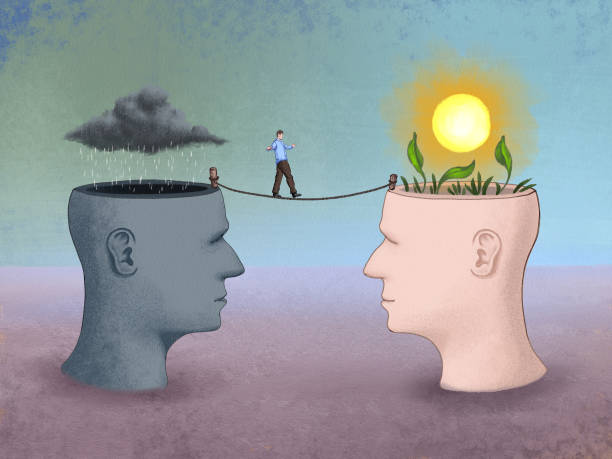
Faced with depression, many feel helpless and lost. But with effective scientific strategies, you can gradually emerge from the shadow and restore inner calm and vitality. Here are some proven methods to help you regain control of your life.
1. Balance Fear with Realistic Predictions
Our brains often fall into the “worst-case scenario” trap, thinking everything will turn out terribly. This negative automatic thinking intensifies the pain of depression, trapping us in fear and despair. In reality, outcomes usually lie somewhere between the best and the worst.
Try these exercises to analyze calmly:
- What’s the worst that can happen?
- What’s the best that can happen?
- What is the most likely outcome?
This helps you see the situation more objectively and avoid blowing fears out of proportion. Knowing that even if the worst happens, you can find resources and support to cope, brings a great sense of safety that eases anxiety.
2. Identify and Challenge Core Beliefs
Our thinking patterns are deeply influenced by core beliefs, like roots holding tightly to our hearts. Thoughts like “I will never be loved” or “People always disappoint me” are extreme black-and-white thinking and typical cognitive distortions.
Use the “downward arrow” technique to trace your automatic negative thoughts to their underlying core beliefs and start questioning their truth. Seek evidence in your life that contradicts these beliefs and gradually develop a more flexible and realistic self-view.
3. Learn to Stop and Avoid Emotional Control
Emotional swings often lead to impulsive actions we later regret. The “STOP” strategy is very practical:
- S (Stop): Pause before reacting emotionally.
- T (Take a breath): Relax body and mind with deep breaths.
- O (Observe): Non-judgmentally notice what is happening and how you feel.
- P (Proceed): Choose a more reasonable response when calm.
For example, when someone cuts in line, applying STOP may help you avoid honking angrily and getting into a fight, keeping your peace of mind.
4. Cultivate Mindfulness, Live in the Present
Mindfulness is a highly effective psychological tool to help us break free from worries and negative emotions, learn to accept reality, and focus on present experiences.
Try these mindfulness exercises:
- Ground yourself: Notice the objects you see, sounds you hear, smells you sense, and bodily feelings.
- Brief self-awareness: Pause and say “This is what I am experiencing,” accepting yourself in the moment.
- Mindful daily activities: Do simple tasks like washing dishes or eating with full attention, noticing details.
- Mindful walking: Focus on your steps, breathing, and surroundings, clearing distractions.
Regular mindfulness practice can help restore inner peace and clarity, reducing depression’s interference.

Deeper Advice: Build Support Networks and Seek Professional Help
Self-help in depression is not a solo battle. Seeking psychological counseling, joining support groups, or talking openly with friends and family are crucial complements. Mental health professionals can help diagnose, adjust thinking, and develop treatment plans. Medication may be necessary in some cases.
You don’t have to face it alone. Opening up and asking for help is courage—the first step toward recovery.
Depression is like a long, dark night bringing great pain and challenge. But if you’re willing to take self-help steps and use scientific methods, you can gradually part the clouds and welcome the sunshine within. Balancing fear, challenging core beliefs, learning to pause, and living mindfully are effective tools. Most importantly, seek timely professional and social support so you won’t feel isolated.
No matter how dark it is now, believe: the light is ahead. Be kind to yourself, give yourself time and patience. You deserve love and have the strength to come out of the darkness.