Turn Small Changes into the Lever of Destiny
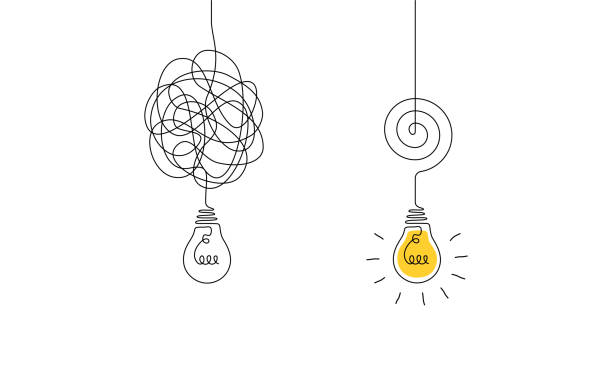
Many people spend their whole lives asking, “What can I do to radically change my life?” We often assume the answer lies in some grand gesture — quitting a job, moving across the world, or starting over completely. But the truth is, lasting change rarely begins with dramatic decisions. It often starts with a tiny, repeatable action — just 1% of effort each day that you can actually stick to.
1. Big Changes Are Hard — Small Changes Create Real Shifts
When we notice problems in life, the best response isn’t to try to overhaul everything at once, but to commit to one small, sustainable change. For example:
- Changing a tiny daily habit (e.g., writing down three things you’re grateful for each morning);
- Shifting how you think when faced with difficulty (e.g., replacing “This is too hard” with “What’s one small thing I can do?”);
- Altering the way you talk about your situation (e.g., from “I always fail” to “I’m working on getting better”);
- Or simply changing your environment — if you always procrastinate in your bedroom, try working in a library.
These steps may seem small, but the logic behind them is powerful: you don’t transform your life with a one-time leap, but through the compound effect of consistent, incremental actions.
2. Shift from “Problem Thinking” to “Possibility Thinking”
Most people, when facing a problem, immediately look for reasons:
- Do I have a personality flaw?
- Was I shaped by childhood trauma?
- Am I just incapable of handling this?
They then dive into endless psychological theories, self-help books, or personality assessments — hoping that “understanding” the problem will lead to a solution. But often, this only deepens the frustration.
Why Explanation Doesn’t Help
- It reinforces the belief that you’re a “victim” of your past, your upbringing, or your genetics;
- It anchors you in the past — but you can only take action in the present;
- It creates the illusion of being “understood” without feeling empowered;
- It shifts focus from solving the issue to just describing it.
The more you understand the problem, the harder it may become to escape it.
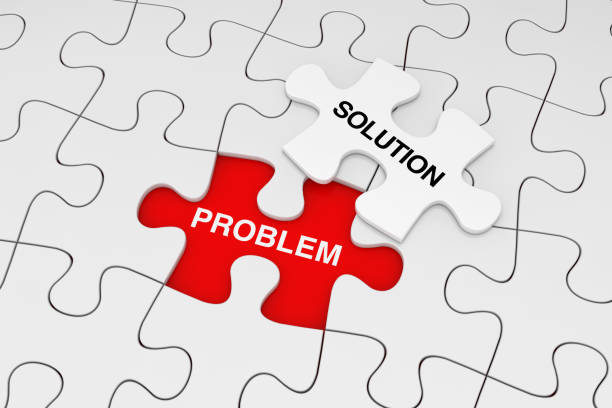
3. A Solution-Focused Approach: You Are Your Own Healer
Solution-focused thinking flips the script. Its core principle is simple yet profound: You are not a passive victim of your problems — you are the active creator of solutions.
This approach doesn’t ask, “Why are you like this?” It asks, “What can you do that might help, even a little?”
It looks for what’s already working — the behaviors, resources, or strategies you’ve used before, no matter how small, random, or unnoticed they may have been.
This mindset leads to three liberating truths:
- You have the power to change;
- You can be your own best therapist;
- You only need to shift attention from the problem to the action.
4. Disrupt the “Normal Pattern” of Your Problems
Have you ever known exactly what your issue is — and still repeated it over and over? Like procrastinating to the point of anxiety, fighting with your partner late into the night, or doubting yourself every day at work?
This is your problem’s default mode in action.
To break it, first become a detective of your own patterns:
- When does the problem usually occur?
- Is it during the day or at night? In a specific setting?
- What do you typically say or do right before it begins?
- How long does it last? Is there a moment when it starts to fade?
Once you can describe the “normal process” of a problem, you hold the key to changing it.
Interrupt the Flow of the Problem
Try simple, practical interventions like:
- Doing something positive right before the problem tends to arise;
- Changing the physical environment — a different room, different posture;
- Altering your communication style — turn criticism into description, commands into requests;
- Practicing a substitute behavior — like journaling instead of lashing out when angry.
5. One Powerful Tool: Create Intentional Contradictions

Austrian psychiatrist Viktor Frankl proposed a fascinating method called Paradoxical Intention. He asked anxious patients to try to feel more anxious, insomniacs to try to stay awake, and those with performance anxiety to try not to be aroused — and surprisingly, these efforts often helped.
Why?
Because the more we try to control psychological phenomena, the more uncontrollable they become. But when we exaggerate them deliberately, we release internal pressure.
You can use this too:
- Mentally replay a feared scenario until it loses its sting;
- Intentionally “fail” at something and observe what really happens;
- When anxiety strikes, ask yourself: “Can I get even more anxious?”
This reverse tactic can often break the cycle of mental tension.
6. Another Strategy: Replace Old Reactions with New Behaviors
Link unwanted habits to meaningful but effortful actions.
For example:
- Every time you want to scroll mindlessly, do 10 squats first;
- Every time you’re about to complain, spend 5 minutes listing your responsibilities in the matter;
- Every time you feel anxious, say a bold positive affirmation out loud.
This isn’t punishment — it’s redirection. Gradually, you’ll shift from reflexive behavior to conscious choice.
7. Another Key: Spot and Leverage Tiny Turning Points
Even in your darkest moments, there are likely brief flashes of light — like when you held back anger, or stuck with something just a little longer than usual.
These are solution moments.
To find them, try asking:
- Was there a time the problem didn’t occur? What did I do differently?
- When did the problem begin to ease? What triggered that shift?
- Have I solved a similar issue in another area of life — work, relationships, hobbies?
- What strengths or natural talents have I already been using — even unintentionally?
If you can recognize and repeat these 1% shifts, they can become powerful levers for long-term change.
8. Final Move: See the Problem From a New Angle
Sometimes the real trap isn’t the problem itself — it’s the way you interpret the problem.
If you always see yourself through the same lens, you’ll keep reliving the same fate.
Try asking yourself:
- Besides this explanation, what else could be true?
- If I stop believing I’m a “failure,” who else could I become?
- Could this problem actually be an opportunity?
- How might my future self look back on this time?
Changing your perspective on the problem often matters more than changing the problem itself.
Final Thoughts: Use Small Actions to Move Big Mountains
Real power doesn’t come from solving everything at once. It comes from making 1% improvements, day after day.
You don’t need to wait for a miracle — just take one different action today, even if it’s simply using a different phrase, shifting a thought, or changing a tiny habit.
And perhaps, without even realizing it, that long-awaited turning point in your life has already begun.