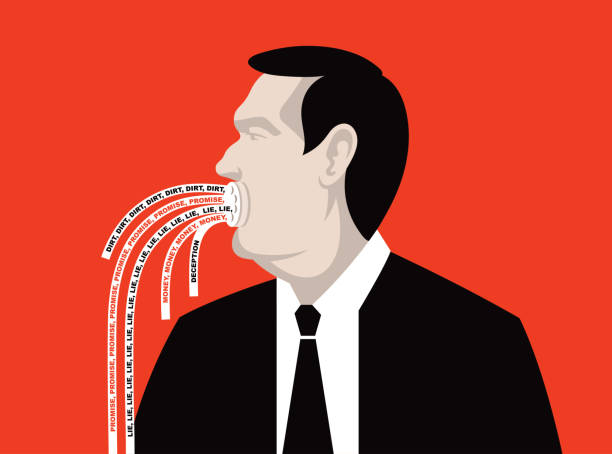
Psychological Strategies and Practical Techniques to Detect Deception
In a fast-paced world overflowing with information and ever-shifting relationships, we’re all bound to face moments where we must assess whether someone is genuine or deceptive. Is the person honest and straightforward—or a wolf in sheep’s clothing? How can we quickly pierce through a liar’s disguise? Intuition alone is not enough. We need a robust, science-backed toolkit to navigate these encounters with clarity.
This article draws on psychological research, behavioral analysis, and field-tested strategies to help you build a practical and complete system for detecting lies and recognizing deception—so you can stay grounded and make more accurate judgments in today’s complex social landscape.
Part 1: First Impressions Matter—But Beware of Confirmation Bias
Our brains are remarkably adept at quickly assessing strangers. Studies show that within mere milliseconds of meeting someone, we form initial impressions based on subtle cues like appearance, tone of voice, and body language. Even more surprising: once these impressions are formed, they tend to stick, becoming resistant to change.
The psychological mechanism behind this is called confirmation bias—our tendency to seek out and remember information that confirms our initial judgment, while dismissing or ignoring evidence that contradicts it.
To avoid being manipulated by liars, we must learn to challenge our own biases.
How to Overcome the Mental Traps of First Impressions: Three Key Strategies

1. Take Responsibility for Your Judgments
Would you be more careful if your judgment could wrongfully accuse an innocent person—or let a real liar slip away? According to psychologist Arie Kruglanski, when people feel accountable for making a “responsible judgment,” they gather more information and evaluate it more thoroughly.
Pro tip: Treat each assessment like a mental challenge. Make it your goal to arrive at the most accurate, not the quickest, conclusion.
2. Step Back and Delay Judgment
Research shows that when we deliberately zoom out and view a situation from a more detached or long-term perspective, our emotional biases fade, and our reasoning improves.
For instance, if you feel uneasy about someone new, ask yourself: “If this person were my friend’s acquaintance, how would I view them?” or “How would I feel about this three months from now?”
3. Use Reverse Thinking: Look for Contradictory Evidence
If you think someone is honest, look for signs they might be lying. If you suspect dishonesty, search for proof of their truthfulness. As Nobel laureate Paul Nurse once said: “If an idea is attractive, I don’t rush to prove it—I try to disprove it. If it survives the scrutiny, then it’s worth keeping.”
Part 2: Practical Techniques—How to Expose a Liar
Theory is essential, but real-world tactics matter more. If you genuinely suspect someone of lying, these methods can help reveal the truth:
1. Disrupt Their Script with Unexpected Questions
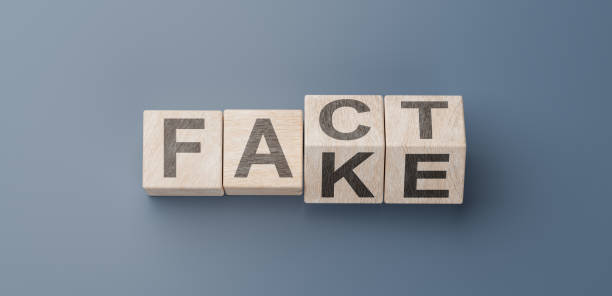
Liars often prepare answers for expected questions—but unexpected ones can catch them off guard and expose hesitation.
Example:
If you ask, “How old are you?” a liar might quickly reply, “21.”
But if you ask, “What’s your exact birthdate?”—they might hesitate, needing time to calculate.
Research shows that when airport security officers used “unexpected questioning” techniques, detection accuracy jumped from 5% to 66%.
How to apply this:
- Establish a behavioral baseline first by asking simple, non-threatening questions. Observe the person’s normal rhythm and tone.
- Then ask disorienting questions like: “What color was Emily’s dress in yesterday’s meeting?” Truth-tellers respond smoothly, but liars often stumble.
- Add verifiable elements: e.g., “Can I confirm this with your manager?” and watch how they react—defensive, avoidant, or calm?
2. Reveal Evidence in Stages to Trigger Cognitive Dissonance
One of the most effective ways to unmask a liar is to use evidence strategically. Don’t show all your cards at once. Instead, build rapport and encourage them to talk, then reveal contradicting facts gradually.
Example:
Let the person tell you they were with “Gary” yesterday. Then casually mention, “That’s odd—Gary posted photos from his trip to France yesterday.”
Then, observe:
- Do they panic or scramble for an explanation?
- Are they inconsistent or overly defensive?
- Do their facial expressions and voice tone change?
In Sweden, police officers using this method increased their lie detection success rate from 56% to 85%.
Part 3: The Relational Dimension—Liars Aren’t Always Strangers
One important reality: liars aren’t always strangers. They might be trusted coworkers, friends, or even romantic partners. Detecting deception within close relationships is harder because emotional ties and habitual trust cloud our judgment.
How to Stay Clear-Eyed with People You Know
1. Don’t Rely on Personality Labels
“He’s a good guy.” “She’s never lied to me.” These labels can make us drop our guard. But skilled liars often craft a likeable persona. Pay attention to patterns of behavior, not just the surface image.
2. Cross-Check the Details from Multiple Sources
If someone’s story involves others, consider verifying the facts—especially when money, responsibilities, or sensitive issues are involved. Verifying doesn’t mean distrusting everyone—it’s a rational form of self-protection.
Part 4: Long-Term Thinking—Build an Anti-Deception Mindset
Not every judgment can be immediately verified, but you can train yourself to think in ways that reduce your vulnerability to lies:
- Track your mistakes: When have you been wrong before? Was it due to being too trusting—or too suspicious?
- Create verifiable social rules: For major decisions, make it a habit to seek multiple perspectives, not just one version of the truth.
- Recognize your emotional blind spots: We all have vulnerabilities—like craving praise, needing approval, or avoiding conflict. Liars often exploit these soft spots.
Final Thoughts: Clear Thinking in a Noisy World
We live in a world full of noise and manipulation. A liar may hide behind a smile or dress up their deception in eloquent speech. Spotting a liar doesn’t mean being paranoid—it means cultivating the wisdom to verify before trusting.
First impressions can guide us—but they shouldn’t mislead us. Emotions may color our views—but they shouldn’t hijack our judgment. In the end, the people who see clearly and think critically are the ones who navigate social complexity with the most confidence and resilience.
If you’re ready to sharpen your ability to detect deception, remember:
Honesty isn’t everyone’s language, but learning to spot lies can be your armor.