
In an age filled with anxiety and pressure, we’re constantly told to “be disciplined,” to “take control of our lives,” and to “become our best selves.” But in those late-night hours—when you binge eat, get lost in your phone, procrastinate endlessly, or feel utterly hopeless—have you ever wondered: Does self-control even exist?
The truth is more brutal than we like to admit: the world has never been orderly, and we will never have full control over ourselves. Yet even in the midst of chaos, we can still live with clarity, dignity, and a touch of wisdom.
1. Facing a “Messed-Up Life”: We Are All Living with Some Level of Loss of Control
A once-popular quote goes: “You and the people you love will eventually die.” It sounds depressing, but it’s an unavoidable truth. Our time here spans only a few decades, and we’re remembered by just a handful of people. Most of the time, our actions, words—even our dreams—barely leave a ripple.
We are like dust motes drifting in the vast cosmos, colliding, struggling, and grasping for meaning on a tiny blue planet. All this effort, in the end, is an attempt to escape one hard truth: we are ultimately insignificant.
But precisely because of that, when you recognize life’s inherent meaninglessness, that’s when you should savor your coffee, kiss your loved one, and show up for your friends—because these lived, present moments are the most powerful answers we can give to the void.
2. The Real Enemy Isn’t Sadness—It’s Despair
We often believe our pain stems from emotions like anger, grief, or anxiety. But the truth is: these emotions mean you still care. You still hope. The real soul-crusher is despair.
Despair is a deep, dull gray emotion. It numbs you. It makes you stop trying, stop asking why, stop believing in possibilities. You don’t explode with rage or break down in tears—you just quietly ask yourself over and over: “What’s the point anymore?”
This is the root of depression, anxiety, addiction, and burnout—a kind of quiet emotional collapse, where you stop believing the future holds anything worth striving for. Ironically, it’s often the people who seem to have it all together who fall into this invisible pit.
3. Why We Desperately Need a Sense of Hope
To stay mentally healthy, humans need three psychological pillars: a sense of control, a sense of meaning, and a sense of belonging.
- Sense of control – the belief that we can influence our lives and make meaningful choices.
- Sense of meaning – the belief that we are working toward something worthwhile.
- Sense of belonging – the belief that we’re part of a community that understands and supports us.
Lose one of these, and the others tend to collapse quickly. For instance, if you feel powerless in life, you’ll soon question whether your efforts matter—and then feel isolated. Eventually, your entire emotional structure can begin to crumble.
4. Why “Self-Control” Is a Modern Myth
We live in a culture obsessed with rationality. From a young age, we’re told: if you just work hard, control your emotions, and stay focused, you can be whoever you want to be.
So when we fail, we blame it on a lack of self-control:
- You overeat because you’re lazy;
- You smoke or drink because you lack discipline;
- You’re depressed because you’re not being positive enough;
- You fail at work or school because you’re not trying hard enough.
But this thinking is based on an outdated idea: “Emotions are chaotic and wrong—they must be conquered by reason.” The problem is, we are not rational robots. We’re emotionally driven beings with complex inner worlds.
5. Your Brain Is Not a “Self-Control Machine”
You might think your life is run by logic—but in truth, your brain has two main systems: the rational brain and the emotional brain.
- The rational brain analyzes, plans, and makes deliberate decisions. It’s slow and energy-consuming but logical.
- The emotional brain is fast, intuitive, and energy-efficient—but prone to overreaction and mistakes.
Here’s the catch: all action originates from the emotional brain.
You don’t go to the gym because you know it’s good—you go because you want that feeling of lightness, sweat, or release. You don’t put your phone down at night because you know sleep is important—you do it when you feel too tired to continue.
In other words: we don’t change because we know we should—we change because we feel like we want to.
6. Failing at Self-Control Is Really an Emotional Block
When you can’t bring yourself to do the things you know you should, it’s not because you’re lazy or weak. It’s because, emotionally, you haven’t bought into it. You don’t feel that it’s worth doing or that it will bring satisfaction.
The problem isn’t a cognitive blind spot—it’s an emotional bottleneck.
- Procrastination isn’t a time management issue—it’s an emotional resistance.
- Binge eating isn’t about ignorance—it’s a coping mechanism for pain.
- Staying stuck in an unfulfilling job isn’t about lacking ambition—it’s about fear of losing safety.
7. Rationality and Emotion Aren’t Enemies—They’re Teammates
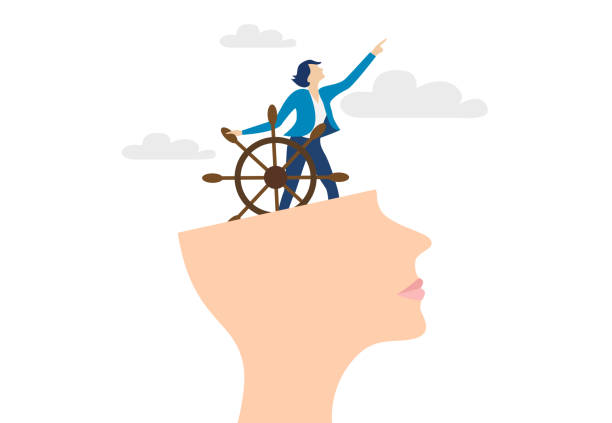
A healthy mind doesn’t rely on the rational brain suppressing the emotional one—or vice versa. True well-being comes when both systems listen to each other and navigate together.
It’s like a conversation. If you want to work out, don’t command yourself, “You MUST go.” Instead, ask yourself how you feel: “Do I feel anxious about my body? Can I imagine the relief after a workout?”
When you feel first and persuade second, rather than order first and suppress later, you begin to build an alliance with your emotions.
8. True Hope Comes from Self-Acceptance
If self-control is a comforting illusion we’re afraid to let go of, then we need a more honest, more humane way to live.
That way is: self-acceptance.
- Accept that you are an emotional creature, not always logical.
- Accept that you will fail, delay, relapse, and struggle—again and again.
- Accept that you can’t control everything, but you can choose a few things to change.
- Accept that you won’t become the perfect version of yourself—but you are still worthy of love, understanding, and forgiveness.
This is not permission to give up—it’s an invitation to find a new kind of strength: gentle but determined change grounded in reality.
9. How to Be Friends with Your Emotional Brain
- Stop punishing yourself. You’re not a bad person or lazy—your feelings are just stuck.
- Ask “How do I feel?” instead of “What should I do?”
- Rebuild hope in small ways: a walk, a cup of tea, a kind word to yourself.
- Choose a tiny action that makes you feel just a little better, and repeat it.
- Find people or communities that resonate with your struggle, and share your journey with them.
Final Thoughts: In a Life You Can’t Control, Live Something That Feels Real
Our lives are inevitably full of confusion, helplessness, failure, and despair. A “messed-up” life is the rule, not the exception. You don’t have to pretend to have it all together. Wisdom lies in admitting our limitations—and still moving forward, gently but deliberately.
Stop chasing the fantasy of perfection. Instead, aim to live consciously, honestly, and with the warmth of your humanity.
If “self-control” is our fantasy of hope, then self-acceptance is the freedom we discover when we finally wake up from that dream.
Stop blaming yourself. You’ve tried hard enough. Now, start learning to be kind to the part of you that’s just trying to survive in a chaotic world.