
Have you ever made a firm resolution to start exercising, only to give up after a few tries? Have you bought an annual gym membership but only gone three times? Or maybe after a long day at work, you find yourself too tired, whispering “I’ll start tomorrow”—again and again?
Sticking with an exercise routine—and actually enjoying it long-term—isn’t as difficult as it seems. The problem often isn’t your willpower, but your method.
The real secret is this: keep experimenting, be flexible, and find the kind of physical activity that you genuinely enjoy and that suits you. Once you begin to feel the joy and positive feedback from movement, working out stops feeling like a chore and starts to become a daily ritual you look forward to.
1. The Real Reason Most People Give Up: Exercise Isn’t a Priority
People often say, “I don’t have time to exercise,” but the real issue usually isn’t time—it’s priority. Many treat exercise as something optional: I’ll go after work… if I’m not too tired. I’ll go this weekend… if I have time. I’ll do it… when the mood strikes.
But the truth is, life has a way of filling your day to the brim. If you don’t intentionally make space for exercise, it will never magically appear in your schedule. You need to treat it like a meeting—put it on your calendar, plan for it, and give it the same importance as your job.
Another mistake many people make is believing that exercise has to be intense to be effective: running 5 kilometers, lifting weights for an hour, or dripping with sweat in a gym. These high expectations make exercise seem intimidating. Then, when your body feels sore or exhausted the next day, you’re much more likely to give up altogether.
2. The Key Step: Discover What You Actually Enjoy Doing
Ask yourself: do you really like the exercise you’ve chosen? Or are you doing it just because “everyone else is doing it”?
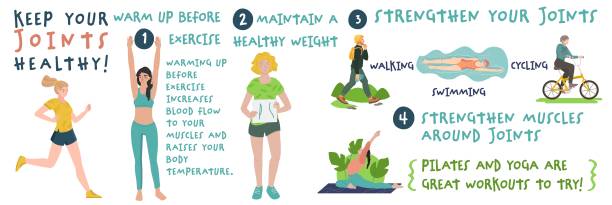
Different people have different needs based on body type, lifestyle, and personality. For example, people with more body weight might want to avoid high-impact activities like jump rope or jogging at first, as they can strain the knees. Lower-impact options like swimming, elliptical workouts, or brisk walking may be more comfortable and sustainable.
Try making a list of all the exercise types you’re curious about—strength training, cardio, dance, yoga, martial arts, ball games, fitness games, outdoor activities—and experiment with one new activity each week. Record your feelings and gradually narrow it down to a few options that you’re excited to return to again and again.
3. My Personal Fitness Journey: From Running to Variety and Exploration
I started with the most common form of exercise: running. I ran 3–5 kilometers every day for three months and lost over 20 pounds. But then winter hit—harsh wind, freezing temps, deep snow—and outdoor running was no longer an option in northeast China, where I lived.
That’s when I began my “fitness adventure,” trying out different activities and gradually building a flexible, multi-faceted exercise routine that I still follow today:
- In the spring and summer, I go jogging in the park (5–10 km) to unwind and stay active.
- A gym two subway stops away is where I occasionally do weight training.
- I once had a 100-session swim pass and now swim weekly with my partner—great for bonding and exercise.
- Before the pandemic, I practiced Brazilian Jiu-Jitsu every week—it was intense but super stress-relieving.
- At home, I follow yoga or strength workouts on apps like Keep or NTC for 10–20 minutes per session.
- I have home equipment—dumbbells, kettlebells, resistance bands, a mini stepper—so I can work out any time.
- Nintendo Switch fitness games like Ring Fit Adventure and boxing workouts were a family favorite during lockdown.
- Lunch walk-dates with my wife turn mealtime into light cardio and quality time.
- Playing badminton with my child at home is both exercise and family bonding.
- Apple Watch fitness challenges keep me accountable and motivated through friendly competition.
Thanks to this routine, I get 10–30 minutes of exercise nearly every day. My Apple Watch records over 600 calories burned daily, and I’ve completed monthly fitness goals for an entire year without missing a beat.
4. Don’t Stick to One Activity—Switch Things Up Regularly

There’s no rule saying you have to stick to one form of exercise forever. In fact, changing it up keeps things exciting. When you get bored or burned out, try switching from weights to swimming, or from running to dance workouts. Join a frisbee club or a hiking group with friends—anything that adds a little adventure to your routine.
I’ve also tried hiking, rock climbing, and mountain climbing. Although my favorite climbing gym closed, I loved every minute of it. In the future, I’d love to try kayaking, archery, or even paragliding and surfing. Exploring new sports and skills is what keeps my motivation high and my routine sustainable.
5. The Key to Long-Term Consistency: Sustainable Pace + Positive Feedback
Consistency in exercise doesn’t come from going all-out from day one. It comes from finding a pace and intensity that suits you. When workouts are too long, too hard, or too frequent, you can quickly feel overwhelmed and discouraged.
Instead, focus on short, achievable sessions. Ten to twenty minutes of movement each day is often more effective over time than a once-a-week, grueling session at the gym.
And here’s the real magic: when you start feeling the positive feedback—the satisfaction of finishing a session, the pride in breaking a sweat, or noticing your stamina improve—it becomes a self-reinforcing habit. That small sense of achievement becomes your fuel to keep going.
6. Final Advice: Integrate Exercise Into Your Life, Not Outside of It
You don’t always need to go to the gym, change into workout clothes, or strap on a fitness tracker. Exercise can—and should—blend into your daily routine:
- Doing chores like scrubbing floors, carrying water, or climbing stairs is movement.
- Take 1-minute jump rope breaks during work.
- Get off the subway one stop early and walk briskly home.
- Turn workouts into social events—invite friends or family to join.
- Replace boring training with dance games or fitness gaming sessions.
The most sustainable fitness habit is the one that fits naturally into your life, not the one you have to force in.
Final Thoughts: The Key to Lasting Exercise Is Finding Your Rhythm and Staying Curious
Anyone can build a lifelong relationship with exercise. You don’t need to start perfectly—you just need to start. Keep adjusting. Keep exploring.
You may not become a professional athlete, but you can become the most active and empowered version of yourself.
So start today. Pick one activity that sparks your interest and give it 10 minutes. That small step could be the beginning of a healthier, more energized version of your life.