
Over the past decade, the United States has seen the rise of an educational and parenting philosophy known as the “New Nature Movement.” This movement emphasizes the enormous benefits that natural environments bring to children’s physical and mental health, especially advocating for free outdoor play as a way to develop children’s learning abilities, creativity, and social skills. Scientific research continuously confirms that compared to electronic devices and indoor toys, playing in nature not only strengthens children’s bodies but also stimulates multiple aspects of brain development, offering an irreplaceably positive influence on their growth.
The Real Challenge: The Paradox of Modern Children’s Growing Environment
It is regrettable that when we compare the development status of today’s children with that of previous generations, an undeniable fact emerges — modern children generally have lower physical fitness, motor skills, and even emotional regulation abilities. Although nutrition has improved and physical training is emphasized, attention to children’s sensory integration and motor skills has gradually declined. This imbalance results in children facing multiple difficulties in emotional control, social interaction, and cognitive development.
So, what is the root cause? The answer is simple — we have deprived children of sufficient time and space for outdoor activities. In modern life, academic pressure, the lure of electronic devices, and parents’ overprotectiveness in the name of safety have pushed children further away from nature.
The Importance of Outdoor Play and Recommended Time
The development of children’s motor skills, sensory systems (including tactile, visual, auditory, vestibular, proprioceptive senses), social-emotional skills, and cognitive abilities are deeply interconnected. Without ample opportunities to practice these skills, the “growth threads” become tangled, leading to negative outcomes such as difficulty making friends, mood swings, limited creativity, and increased risk of accidents.
So how much free outdoor playtime is enough? Research recommends:
- Infants (1–12 months): Should have daily opportunities to experience nature outdoors, even if briefly. Early physical activity promotes sensory integration and basic motor skills.
- Toddlers (1–3 years): Need 5–8 hours of active play daily, preferably outdoors. This age group is full of energy, and unrestricted activity helps them find the most suitable ways to move.
- Preschoolers (3–5 years): Require 5–8 hours of free play daily. This stage is critical for rapid development of cognition and life skills; active play is the most effective learning method.
- School-age children (5–13 years): Should have at least 4–5 hours daily of physical exercise and outdoor play. Schools should ensure sufficient activity time before, during, and after classes to promote balanced physical and mental development.
- Adolescents (13–19 years): Need 3–4 hours daily of outdoor activities. Sports help regulate emotions, support brain development, and enhance social skills.
How to Ensure Quality Play? 11 Key Principles
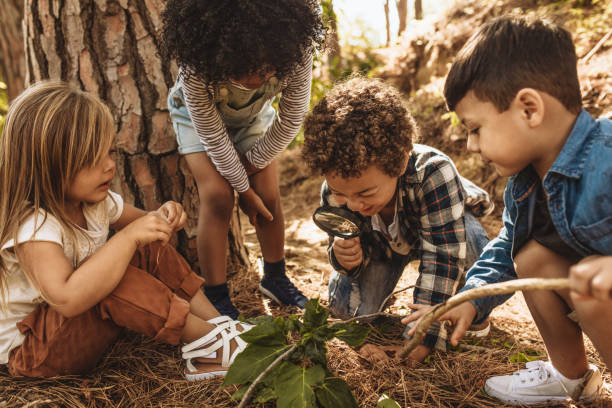
- Provide children with ample outdoor playtime every day and encourage active exploration.
- Schools should schedule sufficient physical activity to keep children moving.
- Don’t overlook rest time — let children play freely and relax.
- Arrange simple morning or pre-school activities like helping with chores to stimulate initiative.
- Guarantee at least a few hours of outdoor play after school to let kids fully expend their energy.
- For toddlers, organized sports aren’t necessary — play itself is the best exercise.
- Invite neighbors’ or friends’ children to play together to promote social skills and independence.
- Encourage children to go out with neighborhood friends to foster cooperation.
- Support children in taking safe risks by trying jumping, climbing, and other physical challenges.
- Utilize the surrounding natural environment with minimal adult interference to encourage spontaneous play.
- Maintain consistent daily playtime to establish healthy lifestyle habits.
Unlocking Children’s Sensory Potential: Outdoor Sensory Stimulation Suggestions
- Walking barefoot: Whenever possible, indoors or outdoors. Foot sole sensory input is crucial for arch development and overall body coordination.
- Picking experiences: Take children to pick blueberries, strawberries, pumpkins, apples, or visit farmers’ markets. Combining picking with cooking activates multiple senses and promotes food awareness.
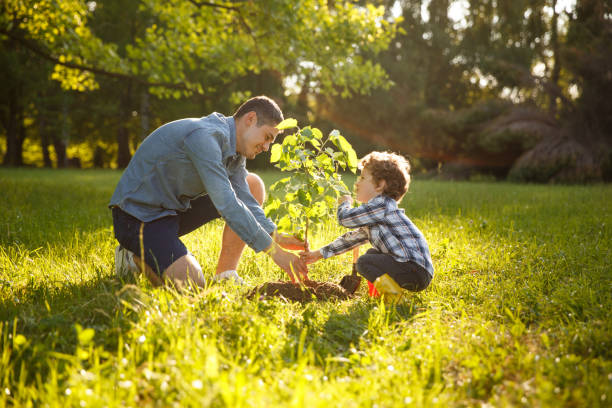
- Gardening: Digging, watering, planting flowers and vegetables lets children experience plant life and gain tactile, olfactory, and visual stimulation.
- Birdwatching: Teach children to identify birds with books or apps, listen to bird songs, and imitate calls, enhancing auditory acuity and natural observation skills.
- Night games: Activities like hide-and-seek in the dark stimulate vestibular sense and balance, improving proprioceptive coordination.
- Animal interaction: Having pets or visiting farms to touch fur, smell animals, and listen to their sounds enriches sensory experiences.
- Beach play: Sand, water, waves, and seabirds stimulate touch, hearing, sight, and vestibular senses, exercising the whole sensory system.
- Tree climbing: Builds risk assessment, body coordination, and confidence—a safe and controlled adventure.
- Campfire cooking: Involving kids in outdoor food preparation teaches patience and introduces new taste and smell experiences.
Nature’s Embrace: The Best Classroom for Children’s Growth
Periodically arrange family nature trips to scenic mountains or lakesides so children can immerse themselves in nature’s embrace, receiving nourishment for both body and mind.
While modern urban life offers convenience and stimulation, overstimulation and confined spaces limit sensory system development. In contrast, the infinite possibilities outdoors provide rich sensory inputs and exercise opportunities, helping children build strong bodies and agile minds.
Safety, Protection, and Balanced Risk: Managing Growth Challenges
Overprotection hinders children’s growth. Parents’ fear of falls or injuries often leads to restricting children’s activity areas, which may delay development of coordination and risk judgment.
Conversely, children need to gradually learn to face and evaluate risks, developing judgment and adaptability through exploration. Parents can teach safety skills tailored to their living environment:
- In cities: Teach children to recognize traffic signs, cross roads properly, and travel safely alone.
- In suburbs: Teach biking rules, the importance of checking in, and awareness of strangers and vehicles.
- In rural areas: Focus on wild plant identification, water safety, and navigation skills.
During outdoor play, minor scrapes are inevitable. Parents’ calm responses matter: cleaning and dressing wounds lightly while showing tolerance toward outdoor injuries helps children build confidence and security.
True education is not just about classroom knowledge but about bringing children into nature to develop comprehensive abilities through free play. Guaranteeing sufficient daily outdoor playtime enhances children’s physical fitness, sensory integration, creativity, emotional regulation, and social skills, giving them a healthy, happy, and vibrant childhood.
Let’s set aside anxiety and overprotection, and give children more chances to go into, get close to, and feel nature—because that is the best playground for their growth.