In today’s world, whether it’s massive corporate projects or key national infrastructure initiatives, successfully delivering a large-scale project is an extremely challenging feat. Professor Fu Yibin, a renowned project management expert at Oxford University, after studying over 16,000 projects, uncovered a startling fact — as many as 99.5% of large projects ultimately fail. These failed projects without exception fall into the so-called “iron laws of large projects”: budget overruns, schedule delays, and unmet benefits.
Yet behind these daunting statistics shines a glimmer of hope. Professor Fu found that approximately 0.5% of projects successfully avoid these pitfalls and complete their goals smoothly. From these successful cases, he distilled a set of effective guiding principles — 11 heuristics for achieving great things. These heuristics are not just theoretical guidance but practical treasures, essential wisdom that drives projects toward success.
This article will take you deep into the meaning and essence of these 11 heuristics, exploring why they help people make wise decisions in complex and ever-changing environments, ultimately realizing grand objectives.
What Are Heuristics?

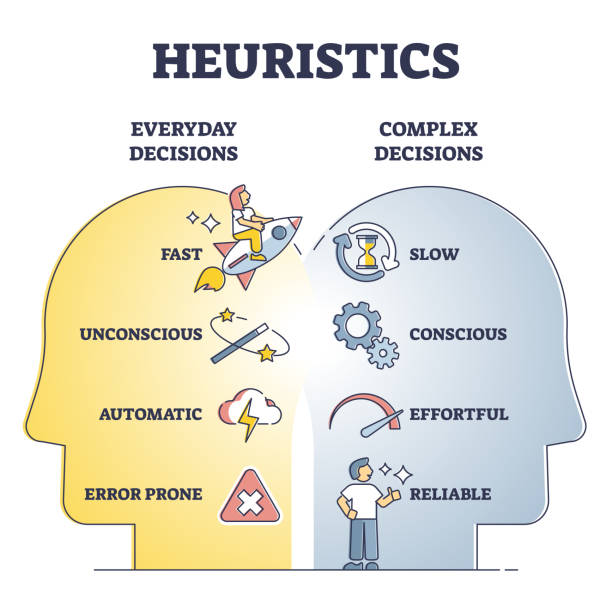
Heuristics are experience-based decision-making rules that simplify complex choices. The term originates from the ancient Greek word “Eureka”, symbolizing the excitement and joy of discovery. Heuristics embody the wisdom of quickly finding reasonable solutions using mental shortcuts rather than cumbersome analysis when facing uncertainty.
This is extremely valuable practical wisdom, often hidden in our subconscious, continually refined through trial and error. Whether you are a project manager, entrepreneur, or an ordinary person, everyone has their heuristics; the difference is that outstanding individuals constantly adjust and improve theirs to better fit reality and be more effective.
Heuristics are not rigid rules but flexible experiential frameworks. Mastering and skillfully applying them can greatly reduce decision risks, improve execution efficiency, and steadily drive projects toward success.
Detailed Explanation of the 11 Heuristics for Achieving Great Things
Heuristic 1: Hire a “Master Builder”

The term “master builder” originates from medieval Europe’s craftsmen responsible for erecting magnificent cathedrals. They were not only highly skilled but also possessed deep practical wisdom to turn complex blueprints into reality. Whether building skyscrapers or organizing large events, having an experienced, capable master builder is key to success.
Such a master not only understands technology but also knows how to manage teams, control risks, and allocate resources. Their wisdom ensures correct project direction and meticulous attention to detail. If budget constraints prevent hiring a master, carefully assess risks and seek alternative remedies.
Heuristic 2: Build the Perfect Team
No master builder can work alone. Behind every successful project is a collaborative, complementary team. As former Disney executive Ed Catmull said: “A good team can turn mediocre ideas into great results, while a mediocre team will ruin good ideas.”
Selecting team members is critical, ideally done by the master builder. Trust, communication, and accountability among team members form the foundation of success. Project leaders should foster an inclusive environment that encourages innovation and sharing, igniting collective wisdom.
Heuristic 3: Ask “Why” Often
Tracing back to the root cause, repeatedly asking “why” is key to clarifying goals and core values. Why start this project? What is the ultimate outcome? Clear goals prevent getting lost in trivial details. No matter how complex the project, always remember the final objective to ensure each decision and action moves in the right direction.
Andrew Wostenholm, manager of London Heathrow’s Terminal 5 project, emphasized: “At any stage, I ask myself if the current actions contribute to the ultimate goal.” This continual self-questioning is an important management skill that keeps project goals on track.
Heuristic 4: Use the “Lego Brick” Concept
Large projects often consist of many complex parts. Breaking them into manageable modules is a powerful management tool. Dividing a big project into smaller, independent, standardized units is like building with Lego bricks — each brick is self-contained, and combined they create complex structures.
Whether constructing a solar power plant or building software systems, modular design makes projects more flexible and scalable. It allows achieving small wins first, gradually accumulating experience and confidence, then scaling up to reduce risks and increase efficiency.
Heuristic 5: Think Slow, Act Fast

In complex projects, the deadliest mistake is rushing to act without planning. Spending time to think deeply and devise detailed, feasible plans effectively reduces risks and improves success rates. Once the plan matures, act decisively and swiftly to avoid delays and hesitation.
“Slow thinking” ensures purposeful action; “fast acting” maintains momentum and energy. This rhythm and balance in decision-making are the secret weapons of most successful projects.
Heuristic 6: Adopt an External Perspective
The uniqueness of a project often obscures its commonalities with others. Placing your project within the broader context of similar projects, learning from their experiences and lessons, is an effective way to avoid repeated mistakes and anticipate risks.
Through data analysis, case studies, and industry benchmarking, the project team can better understand their strengths and weaknesses, devise more targeted strategies, and thus improve overall execution.
Heuristic 7: Be Aware of Your Own Weaknesses
Risk is the greatest threat to project success and should be managed as a top priority. Unlike opportunities, risks tend to cause negative or even catastrophic impacts. Great project leaders are skilled at identifying and controlling “fat-tail risks” — extremely low probability but high impact disasters.
For example, in the Tour de France, cyclists aim not just to win but to remain undefeated each day. Project management is similar: focus on “not failing” and steadily push forward to ultimately succeed.
Heuristic 8: Say “No,” Then Walk Away
The ability to say “no” is vital in project management. Confronting unrealistic demands, unproven technologies, or overly risky actions requires firm refusal to keep team resources focused on core goals.
Apple’s founder Steve Jobs proudly said one secret to Apple’s success was “sticking to not doing things we’ve never done before,” which allowed them to concentrate their energy on a few products and excel at them.
Heuristic 9: Make Friends and Maintain Relationships
Good interpersonal relationships are essential to managing project risks. Project managers should act like diplomats, proactively building and maintaining relationships with all stakeholders to ensure sufficient support and understanding.
When problems arise, a strong network can provide buffer and assistance, preventing the project from becoming isolated and helpless. Remember, trust-building must start at the project’s beginning, not rushed after issues appear.
Heuristic 10: Consider Mitigating Climate Change
Today, climate crisis is the most urgent global challenge. Every project should actively embrace environmental protection and sustainability during design and implementation. Aristotle’s idea of practical wisdom—discovering what benefits people and having the ability to do it—is perfectly exemplified by taking responsible action today.
From electrifying buildings to using renewable energy, projects not only pursue success but also shoulder the responsibility to protect the planet and preserve the future. This is not only societal expectation but a strategic choice for long-term corporate development.
Heuristic 11: The Greatest Risk Is Yourself
Many assume project failure results from external factors, but often the greatest risk lies in the leader’s own cognitive limitations and biases. The infamous Chicago Fire Festival case shows that ignoring the big picture and previous lessons, focusing narrowly on details, can cause catastrophic failure.
Successful project managers must constantly self-reflect, watch out for blind spots and thinking traps, and leverage external perspectives to compensate shortcomings and improve decision-making’s scientific rigor and comprehensiveness. The biggest risks hide within us; only by overcoming ourselves can we lead teams to success.
Successfully managing large projects is never accidental. Professor Fu Yibin’s research and practice show that only by mastering and flexibly applying these heuristics can one effectively avoid the “three iron laws” of budget overruns, delays, and underperformance, turning grand blueprints into reality step by step.
These 11 heuristics are not just practical project management tools but the crystallization of wise thinking. They teach us how to gather top talents, plan meticulously and execute rapidly, learn from experience and external views, manage risks, and focus on truly important goals.
May these heuristics be your guiding light in every major project ahead, helping you sail through challenges and achieve extraordinary success.