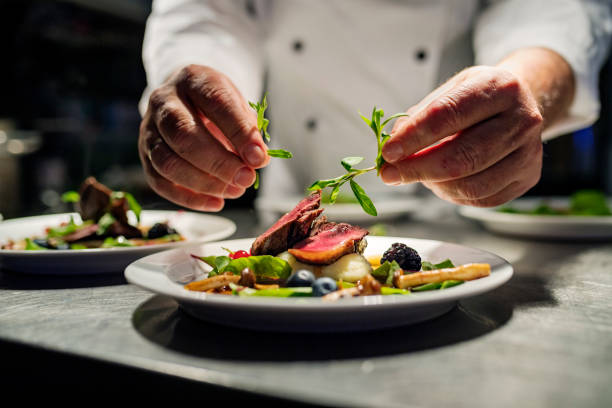
In the world of cooking, four key elements—salt, fat, acid, and heat—work together to create the delicious code on our taste buds. By mastering their principles, you can not only control flavors more precisely but also easily improve your cooking skills, turning ordinary ingredients into something spectacular. Next, we will dive deep into these four elements, teaching you how to scientifically navigate the kitchen and rapidly elevate your culinary level.
1. Salt: The Flavor Amplifier and Harmonizer
Salt is the most basic yet magical seasoning in cooking. Our taste buds can detect salt’s presence and also use salt to unlock the hidden rich flavors within food. One of salt’s greatest effects is to “amplify” the aroma and taste of ingredients, instantly bringing bland broths or ingredients to life.
How Does Salt Affect Taste?
Try sipping a clear broth without salt—you’ll find it bland and even boring; but with a pinch of salt, the sweetness of chicken, the fresh scent of celery, and the earthy aroma of thyme come alive, creating a complex and rich taste experience. Salt helps release aromatic compounds in food, making them easier for our taste system to detect.
Salt also cleverly reduces bitterness perception, which is why a small amount of salt added to bittersweet chocolates, coffee ice cream, or caramelized desserts diminishes bitterness and enhances sweetness. Salt even works a magical “bitterness reducer, sweetness enhancer” effect in certain bitter drinks like tonic water, Campari, and grapefruit juice—try adding a bit of salt and you’ll be surprised at how the bitterness fades instantly.
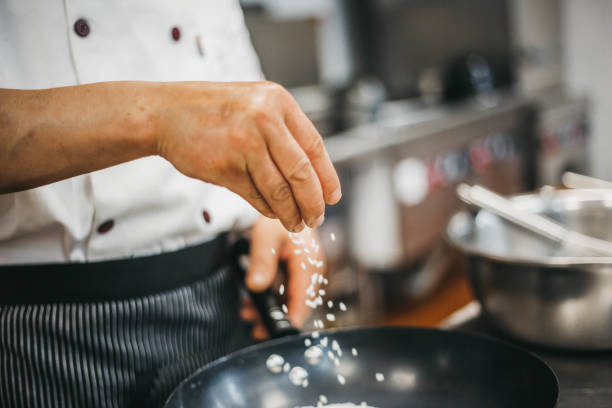
How to Add Salt Scientifically?
Adding salt may seem simple but it’s actually a science. Different ingredients and cooking stages require different salting techniques, and mastering these is key to a successful dish.
- Pinch Method: Suitable for precise control in soups, sauces, or delicate desserts.
- Wrist Shake Method: Best for large surface ingredients like roast duck legs, vegetable platters, or toasted bread. Gently shake your wrist to evenly distribute salt, ensuring uniform coverage.
Practice these methods by simulating on parchment paper to feel the rhythm and pressure of salt sliding from your hand. With practice, you’ll enjoy the control of seasoning and gradually develop your own intuition for salt amounts.
The Wonderful Interaction Between Salt and Sweetness
Salt not only strengthens salty flavors but also makes sweetness more pronounced. In baking, salt is often used to enhance the aroma of caramel, butter, and nuts. You can try dividing cookie dough into two parts—one with salt and one without—then bake and compare; salted cookies will have superior taste and aroma.
Moreover, a pinch or two of salt in many desserts, like cake batters, pie fillings, and custards, can add complexity and make them more enticing.

2. Fat: The Flavor Carrier and Texture Sculptor
Fat is one of the four fundamental components of food and plays an irreplaceable role. It is not only a carrier of flavor but also imparts unique texture and mouthfeel. Different fats and oils play distinct roles in cooking: main ingredient, cooking medium, or seasoning.
Identifying the Role of Fat
Before cooking, determine the role fat plays in your dish:
- Primary Ingredient: Such as butter or olive oil in a sauce, where fat itself is the star flavor.
- Cooking Medium: Using fats for heating, frying, or braising, e.g., olive oil or lard in stir-frying.
- Seasoning: Drizzling high-quality olive or sesame oil at the end to brighten the dish.
By identifying fat’s role, you can choose the right type and cooking method to achieve the desired flavor profile.
Types of Fats and Their Flavors
Fats come from various sources: butter, ghee, olive oil, lard, nut oils, animal fats, etc., each with distinctive flavors:
- Butter and Ghee: Rich and creamy, perfect for baking and Western cuisine.
- Olive Oil: Fruity and aromatic, the soul of Mediterranean cooking, ideal for dressings, light sautéing, and seasoning.
- Animal Fats (lard, duck fat): Impart rich aroma and crisp texture.
- Nut and Coconut Oils: Unique nutty flavors suitable for exotic dishes.
How Fat Enhances Taste?
Fat extends the time aromatic compounds interact with taste buds, enhancing mouthfeel. For example, slowly frying garlic in olive oil produces a stronger flavor than boiling garlic in water. Adding spices to oil during cooking allows flavors to penetrate deeply into the dish.
3. Acid: The Flavor Balancer and Brightener
Acidity is an essential taste element that balances richness and enhances overall freshness. The right amount of acid activates the palate, making food more appetizing.
Sources and Uses of Acid
Common acids come from vinegar, lemon juice, tomatoes, fermented foods, and some fruits. Proper use of acid cuts through fatty heaviness, adding layers of complexity.
For example, in classic Mediterranean salads, olive oil and lemon juice combine perfectly, with acidity offsetting oil’s richness to create a refreshing taste. Acid also tenderizes stewed meats, making them more flavorful and tender.

4. Heat: The Catalyst for Flavor Release
Heat is the foundation of cooking. All flavor development and changes depend on heat. Different temperatures and methods affect ingredient taste and texture directly.
Heat and Flavor Relationship
Heat promotes protein denaturation, sugar caramelization, and fat oxidation—processes that generate unique aromas and tastes. Control of heat determines whether food is crispy or tender, juicy or dry.
- High-Heat Stir-Frying: Retains vegetable crispness and nutrients.
- Low-Heat Slow Cooking: Softens meat fibers thoroughly, enriching flavor.
- Baking: Sustained heat drives complex reactions between sugars and fats, creating enticing aromas.
Mastering heat is the art of cooking. Adjusting flame intensity at the right time maximizes each ingredient’s flavor potential.
Salt, fat, acid, and heat may seem simple but contain deep science and art. When you truly understand their interactions and underlying principles, you can handle the kitchen with ease—whether simple home cooking or complex banquet dishes. With practice and tasting, integrating these elements will rapidly upgrade your cooking skills and turn you into a chef admired by others!