The Third Choice in Life: The Power Beyond Happiness and Meaning—Change
Our lives are full of choices: changing jobs, moving, starting or ending relationships, even repainting a wall or picking up a new hobby. When facing these choices, have you ever paused to ask yourself—does change really benefit me? Should I stick to the status quo, or bravely embrace change?
In fact, besides pursuing happiness and meaning, there is an equally important but often overlooked direction: change itself. Happiness lets us enjoy the pleasures of the moment, meaning gives life value, while change brings freshness and variety, sparking creativity and growth.

Happiness, Meaning, and Change: The Three Pillars of Life
When you ask yourself “What kind of life do I want?” the answer often revolves around happiness and meaning.
- Happiness simply means enjoying comfortable, pleasant moments and avoiding pain and anxiety.
- Meaning is the sense that your actions matter to others or the world. For example, volunteering or helping others can be tiring but makes life feel purposeful.
However, happiness and meaning alone are not enough. Often, our sense of happiness and meaning toward something fades over time—this is called “habituation” in psychology, where familiarity causes things to lose their freshness.
At this point, change becomes the key to breaking habituation and reigniting passion for life. New experiences, new relationships, and new perspectives enrich your mental landscape and make life more exciting.

Research Insights: Why We Should Dare to Change
Psychologists Shigehiro Oishi and Erin Westgate introduced the concept of a “psychologically rich life,” emphasizing the importance of diverse experiences. Persistently trying new things (such as a 100-day challenge) greatly increases life’s variety and satisfaction while boosting creativity.
Economist Steven Levitt experimentally confirmed the value of change. By randomly encouraging some people to make life changes (like switching jobs or getting married) through coin tosses, he found that those who changed reported significantly higher happiness lasting over six months compared to those who did not change.
Yet, many people, even knowing the benefits, still prefer to maintain the status quo out of fear of the unknown, missing out on positive stimuli from newness.
Misconceptions About Change: How to Reasonably Expect Change-Related Experiences
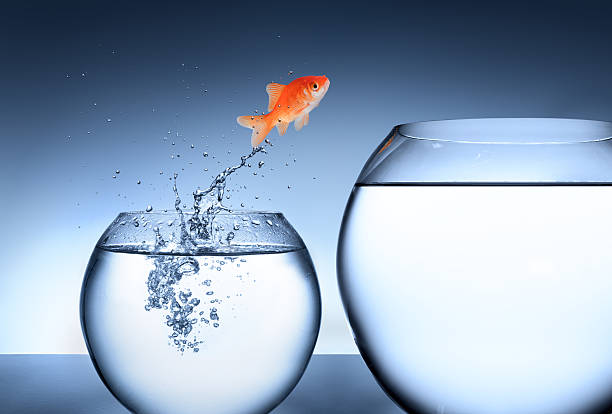
People’s expectations about change are often overly optimistic or pessimistic—they overestimate both the joy and the pain that change brings.
Studies show that when facing unpleasant tasks, such as cleaning a toilet or enduring noisy neighbors’ vacuum cleaners, many choose to “take breaks” to ease discomfort. But these interruptions actually hinder habituation to the pain, making the overall experience worse. Finishing such tasks at once helps adapt faster and reduces suffering.
Conversely, for pleasant experiences like vacations, splitting them into multiple short trips rather than one long one tends to produce more sustained happiness. Segmenting positive experiences helps prolong joy.
Awakening in the Tech Era: How to Escape Social Media “Coma”
Social media continuously makes us compare our lives with others, amplifying the feeling that “others are better,” which lowers our happiness. Research shows that quitting social media for a period (e.g., one month) significantly increases our happiness and satisfaction.
This process is essentially a form of “de-habituation,” helping us reevaluate life, reduce unnecessary anxiety and jealousy, and regain inner peace.
Building Psychological Resilience: Breaking Free from Rumination
Depression and negative emotions often stem from “ruminative thinking”—repetitively chewing over painful thoughts. To escape this trap, a key technique is to learn viewing problems from different perspectives:
- The bug’s eye view: focusing on details and feeling current pain and challenges.
- The bird’s eye view: taking a broader, more global look to see the overall context and potential development.
Facing fear and anxiety, gradual exposure therapy can help us adapt to fearful stimuli, reduce stress and fear responses, and strengthen resilience.
Sparking Creativity: Breaking the Habitual Thinking Loop
When we do the same thing repeatedly, the brain stops paying attention and habituates, causing creativity to decline. To stimulate innovation, breaking this habituation is crucial.
- Demand-driven: changes in environment and needs foster new thinking.
- The power of small changes: for example, standing up and walking after long sitting, exercising, or changing work environments can stimulate the brain, activate new neural connections, and boost creativity.
Research shows simply changing activity—from sitting to walking—significantly improves creative thinking, not merely because exercise improves mood but because the bodily movement signals “de-habituation.”
Practical Tips: How Small Changes Can Light Up Your Life and Creativity
- Set “micro-habit” changes
Try doing one small different thing daily—take a new commute route, learn a new word, or try a different exercise. Little by little, your brain will get used to freshness and change. - Regular “digital detox”
Turn off social media, reduce phone use, and free up time to truly enjoy life’s beauty. - Segment positive experiences
Break big vacations into several short trips to repeatedly build anticipation and joy. - Face fears bravely
Use gradual exposure therapy to overcome fears and anxiety, building confidence and resilience. - Stay physically active
Exercise promotes health and directly enhances creativity and inspiration.
Happiness and meaning in life are undoubtedly important, but the freshness and diversity brought by change are equally vital. Change doesn’t have to be dramatic—even small adjustments can spark creativity, enrich your inner world, and make your life fuller and happier.
Daring to change is the best investment you can make in yourself. Don’t fear trying—break the chains of habit and let life overflow with infinite possibilities!