In today’s sugar-laden world, our eating habits have been hijacked by refined sugars and high-carb foods. Sugar sneaks into more than just desserts and beverages—it hides in fruit juices, yogurt drinks, and even so-called “low-fat” health foods. If you’ve noticed yourself feeling more fatigued, moody, or unable to control cravings, and your blood sugar is starting to show warning signs, it may be time to launch a gentle yet firm “sugar detox.” And the 567 Satiety Method could be your very first step toward a healthier, more conscious way of eating.
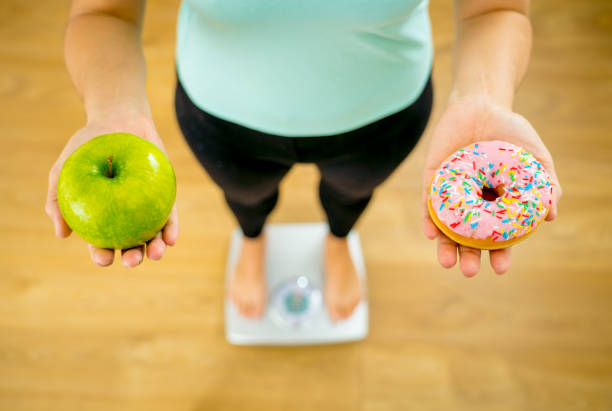
I. Why We Should “Reduce Sugar” Rather Than “Demonize Sugar”
“Sugar detox” isn’t about eliminating all sweet tastes or treating sugar like a villain. True sugar detox is a rational, science-based dietary strategy. It focuses on reducing “free sugars” and fast-digesting carbohydrates while returning to a diet rich in whole, slow-digesting, nutrient-dense foods.
What Are “Free Sugars”?
Free sugars include two key categories:
- All added monosaccharides (like glucose) and disaccharides (like sucrose);
- Sugars naturally present in honey, syrups, fruit juices, and juice concentrates.
These sugars are problematic because they usually come stripped of fiber, protein, and other nutrients, acting as “calorie bombs” that spike your blood sugar quickly without creating lasting satiety—leading to overeating and insulin resistance.
The Hidden Link Between Sugar and Chronic Illness
In recent decades, the industrial rise of sugar has coincided with surges in obesity, diabetes, and cardiovascular disease. Although more long-term studies are needed to confirm causality, a growing body of evidence shows that high-sugar diets disrupt our metabolic system, promote visceral fat accumulation, and alter the brain’s reward circuits—making us crave more and more.
Beware of “Hidden Sugar” in Carbs and Refined Staples
Many people think quitting sugar means avoiding sweets and soda. But the bigger culprit might be disguised in everyday carbs:
- Refined grains (white rice, white flour, etc.)
- High-starch foods (potatoes, lotus root starch, mung bean cakes)
- Processed snacks and sugary beverages
Once ingested, these break down rapidly into glucose, spiking blood sugar nearly as fast as eating sugar directly.
II. The 567 Satiety Method—Smart Eating That Redefines Fullness
Traditional meal patterns usually go: carbs first, then protein and veggies, and soup last. This sequence floods your system with carbohydrates and spikes insulin. The 567 Satiety Method flips that script. By rearranging the order of food intake, it slows glucose absorption and sustains satiety—making it a smart and effective nutritional strategy.
The Core Principle of the 567 Method:
5/10 full: Load up on veggies → 6/10 full: Add protein → 7/10 full: Finish with a small portion of carbs
● 5/10 Full: Build a “Vegetable Kingdom”
This stage is all about eating non-starchy vegetables, forming a “pre-satiety” base. Think leafy greens (spinach, romaine), cruciferous veggies (broccoli, cauliflower), legumes (chickpeas, green beans), and mushrooms or seaweed.
Sample combinations:
- Garlic stir-fried broccoli
- Chilled okra salad
- Roasted king oyster mushrooms
- Seaweed tofu soup
● 6/10 Full: Add High-Quality Protein
Once your veggie base is in place, bring in the protein. Choose high-protein, low-fat options like chicken breast, fish, shrimp, tofu, or eggs. These help repair tissue, stabilize blood sugar, and reduce cravings.
Sample combinations:
- Steamed sea bass
- Boiled chicken breast with dipping sauce
- Silky steamed eggs
- Braised tofu with soybeans
● 7/10 Full: Gently Finish with Smart Carbs
Finally, end your meal with a small portion of wholesome starches. Opt for whole grains and complex carbs such as brown rice, oats, sweet potatoes, purple yams, corn, or multigrain blends. Avoid high-GI foods like white rice and refined flour.
This final step delivers both psychological satisfaction and physiological balance—without overloading on carbs.
III. Ten Practical Tips for a Smart Sugar Detox
- Learn to Read Food Labels: Understand the difference between “total sugar,” “added sugar,” and “total carbohydrates.” “Sugar-free” doesn’t always mean “sugar-free.”
- Redefine Satiety: Don’t rely on carbs to feel full. Use vegetables and protein to build sustainable satisfaction.
- Juice ≠ Fruit: One glass of juice might contain the sugar of 4–5 whole fruits—without the fiber to slow absorption.
- Choose Root Vegetables Smartly: Sweet potatoes, yams, and pumpkins have slower glucose release than grains and offer more complete nutrition.
- Prioritize High-Fiber Veggies: These help you stay full longer and increase the nutrient density of your meal.
- Ditch “Fake Healthy Drinks”: Avoid soda, flavored waters, and zero-calorie artificial sweeteners—they often intensify sweet cravings.
- Understand GI and GL: Glycemic Index + Glycemic Load = essential tools for controlling blood sugar.
- Retrain Your Taste Buds: Gradually lower your sweet threshold. Your palate can rediscover the beauty of natural, mild flavors.
- Shop in the Right Order: Start with nutrient-dense vegetables, quality proteins, and healthy fats. Save indulgent foods for last.
- Allow Occasional Indulgence: Healthy eating isn’t punishment—it’s sustainable freedom. Enjoy a slice of cake or sip of soda occasionally, but treat sweetness as a “holiday,” not a “daily meal.”
IV. “Quitting Sugar” Doesn’t Mean “Quitting the Sweetness of Life”
Many people resist sugar detox because they fear life will become dull and joyless. In fact, the opposite is true. When you free yourself from sugar dependency, you’ll discover sweetness in nature itself—a ripe strawberry, a roasted sweet potato, a bowl of warm red date and white fungus soup.
More importantly, as your metabolism stabilizes, your mood evens out, sleep improves, and energy surges. You stop being yanked around by blood sugar and insulin spikes, and you gain true freedom in your body.
V. Start Today: Use the 567 Satiety Method to Say Goodbye to Sugar Addiction
You don’t have to quit all sugar overnight. You don’t have to hate sweet tastes. What you need is gradual adjustment, mindful choices, and a renewed trust between your body and food.
At your next meal:
- Start with a veggie base—get 5/10 full;
- Add lean protein—build strength and balance;
- Gently top it off with half a bowl of brown rice and red beans—to satisfy your senses.
You’ll find that quitting sugar isn’t a sacrifice—it’s a transformation. It’s about feeling lighter, tasting nature’s real sweetness again, and living in tune with your true self.