
We often see emotions like anger, anxiety, jealousy, or depression as enemies—forces that disrupt our peace and happiness. But if we take a moment to truly examine where these emotions come from, we’ll realize something profound: every negative emotion carries a hidden message—a desire unmet, a need unacknowledged, or a goal we feel powerless to achieve.
Negative emotions don’t show up randomly. They are signals from our inner world, nudging us to pay attention to unresolved issues. When we begin to understand the intentions behind these emotions, we can stop being their victims and instead become their masters.
1. Emotions Are Not Monsters—They’re Motivators for Action
Emotions are how we respond to the world; they serve as internal compasses. Psychologists often divide emotions into three types:
- Sensory emotions: Immediate, automatic reactions—like feeling fear when you hear thunder.
- Moods: More persistent emotional states—like feeling down or energetic.
- Passions: Intense and often overwhelming emotions, such as explosive anger or intense jealousy.
From the perspective of Adlerian psychology, even the strongest passions can be managed with training and awareness. When we gain the ability to regulate powerful emotions, we not only prevent destructive behavior in relationships but also increase our overall satisfaction with life.
2. Negative Emotions Are a Choice—Not Your Fate

You’re not angry because someone “made you angry”—you’re angry because you chose to respond with anger. You’re anxious because you allowed anxiety to take the driver’s seat. This may be uncomfortable to hear, but it’s true: emotions aren’t like the weather—random and uncontrollable. They arise from the way our brain interprets external events.
When we stop seeing emotions as uncontrollable “natural disasters” and start viewing them as trainable and selectable responses, we regain power. Anger, anxiety, sadness, inferiority—these emotions aren’t inherently bad. You just haven’t learned how to read them yet or use them to your advantage.
3. Regulating Emotions ≠ Suppressing Emotions
Many people hear “emotional control” and instantly think of suppression—”holding it in,” “not lashing out.” But true emotional regulation means: recognizing, accepting, understanding, and then choosing how to respond.
For example, imagine you’re angry because a colleague suddenly shifts blame onto you. If you suppress the anger and force a smile, the internal tension might eventually turn into anxiety, insomnia, or even physical symptoms. But if you consciously recognize the anger and understand its root—perhaps a sense of disrespect or feeling misunderstood—you can respond in a healthier way. You might choose to express your concerns through nonviolent communication or seek a more equitable collaboration structure.
4. The Balance Between Anger, Self-Blame, and Blaming Others

Psychology shows that depression often stems from inwardly directed anger. When we can’t express our anger outwardly, we turn it against ourselves in the form of excessive self-blame.
This mindset—“it’s always my fault”—can crush a person’s mental resilience. It’s like continually stabbing your own heart with guilt. The healthier and more stable approach is to maintain a balance between self-responsibility and recognizing external factors.
Try keeping a daily log of your emotional responses, especially when you feel angry. Note whether you tend to blame yourself or others more. Over time, you’ll uncover patterns in your emotional habits and gain clarity on your emotional logic.
5. Speak Clearly: Communicate Expectations with Strength and Kindness
Often, we feel angry simply because our expectations were not met—and even more often, because we failed to communicate them. We assume others “should know,” but in reality, they probably don’t.
Adlerian psychology suggests two practical communication strategies:
- Help others see the present clearly:
Use neutral, non-accusatory language to point out issues.
For example:
“What you’re doing right now seems a bit different from what we originally agreed on.”
“Have you noticed that this might cause some inconvenience?”
Such phrases raise awareness without triggering defensiveness. - Inspire future improvement:
Affirm what they’ve done well and gently challenge them to go further.
For example:
“I think you have even more potential to show.”
“I’m excited to see you take on an even greater challenge.”
This approach taps into their inner motivation instead of adding pressure.
6. Evaluate Emotions Through a Constructive Lens
We’re used to labeling emotions as “good” or “bad,” “right” or “wrong.” But Adlerian psychology proposes a more effective framework: constructive vs. non-constructive.
Instead of judging emotions by morality or social norms, this perspective asks: Does the emotion contribute positively to your life or your community?
For instance, anger that motivates you to fight injustice is constructive. But if it leads to yelling at your loved ones and damaging relationships, it’s non-constructive.
This framework allows us to view emotions with more compassion—toward both ourselves and others—while reducing internal conflict and shame.
7. Depression Is Not the End—It’s a Pause for Renewal
From an Adlerian view, depression is a signal to temporarily “withdraw from battle.” It often arises in two situations:
- Avoiding pressure: When someone faces unsolvable issues (e.g., workplace stress or interpersonal conflict), their mind may trigger a “shutdown” to justify stepping away.
- Gathering strength: Like a business cutting costs during a recession, people in emotional low points may be unconsciously conserving energy for a comeback.
So, depression isn’t weakness or failure—it’s an adjustment mechanism. The key is to recognize its presence and learn how to support yourself through it.
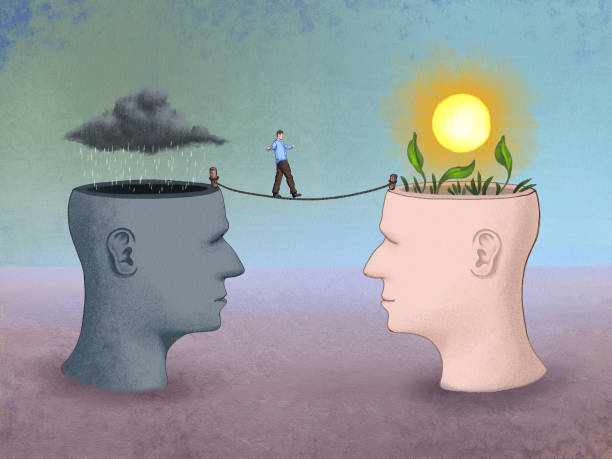
8. How to Rescue Yourself from the Edge of Depression
If you feel yourself sliding toward depression, try these strategies:
1. Use Your Body to Shift Your Mood
Physical changes can influence emotional states. Try:
- Walking with your head up and shoulders back.
- Deep breathing while stretching your arms toward the morning sun.
- Light outdoor exercise, even just a stroll.
- Standing at a height and taking in the vast landscape—reminding yourself of both your smallness and your belonging in the world.
2. Draw Your “Life Timeline”
Map out key moments of your life—both highs and lows—across the years.
You’ll quickly realize: no one’s life is a smooth, upward curve. The lows often precede the next peak, and every setback is part of a larger rhythm.
3. Let Go of Perfectionism
Perfectionists are especially prone to depression. Let go of the need to “always get it right.” Learn to embrace “good enough.” In this space, you’ll find room to breathe, grow, and thrive.
: Be the Master, Not the Slave, of Your Emotions
Emotions are not your enemy—they’re your life coach. They point out what’s not working, urge you to refocus, and guide you to adjust your path. True maturity doesn’t mean never feeling anger or anxiety—it means knowing how to live with every emotion and draw wisdom from it.
When you start viewing emotions through the lens of “constructive vs. non-constructive” and decode their underlying purpose, you take a key step toward owning your life. Negative emotions won’t vanish forever—but they can become powerful allies on your path of growth.