In life, we can’t control everything that happens to us, but we can always train how we respond. Whether it’s sudden crises, major life transitions, or the daily buildup of stress, none of these need to break us. By cultivating mental resilience through science-backed methods, we can not only stay grounded during turbulent times but also grow stronger through adversity.

A flexible lifestyle is more than just coping—it’s about consciously adapting and redesigning your inner world. At its core, it’s not simply about endurance, but about adaptive intelligence: facing pressure with awareness, responding with strategy, and reclaiming your power to choose again. The following four life domains offer some of the most practical paths to developing deep mental resilience.
1. Daily Awareness: Finding Your Center Amid the Chaos
Modern life moves fast. We’re constantly pulled by tasks, notifications, and endless to-do lists, often losing touch with ourselves. Awareness practice helps us rebuild that inner connection, allowing us to step out of autopilot mode and reconnect with what matters.
Why is awareness so essential?
Awareness lets us notice the origins of our emotions, recognize stress reactions early, and make deliberate adjustments. It’s like hitting the “pause button” in the middle of mental noise—helping us act with clarity rather than being hijacked by our emotions.
Simple and Effective Awareness Practices
- Stream-of-consciousness journaling: Spend 10 minutes writing whatever comes to mind without judgment. This helps surface recurring thoughts and emotions from the subconscious.
- Gratitude journaling: List three things you’re thankful for each day. It enhances positive emotion and counterbalances stress responses.
- Reflective reading: Read a piece of philosophy, poetry, or spiritual text and spend time pondering its relevance to your current life.
- Body scanning: Close your eyes and mentally scan your body from head to toe. Identify areas of tension or ease. This grounds you in the present and reconnects body and mind.
When and How to Practice
Morning is the ideal time for awareness. Before checking your phone, spend 15–30 minutes in quiet, sipping tea, writing, or simply thinking. This calm ritual sets the tone for a centered, focused day.
You can also build awareness into transition moments—like shifting from work mode to home mode, or winding down before sleep. Regular and consistent awareness practice is the foundation of a resilient mind.
2. Gut-Brain Health: Eat Right to Avoid Emotional Hijacking
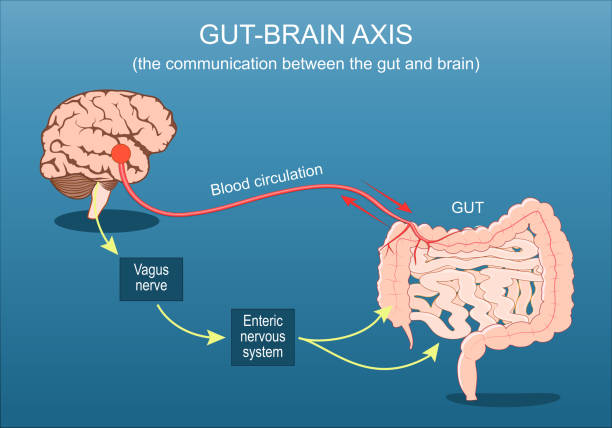
You may not realize it, but your emotional state is deeply connected to your gut. Modern science confirms that the gut is not only the “second brain,” but also home to over 70% of your immune system. Keeping your gut microbiome in balance is essential for emotional stability and stress resilience.
How Gut Health Influences Mental Resilience
The gut communicates with the brain via the gut-brain axis, influencing everything from serotonin levels (our “happiness hormone”) to anxiety, focus, and sleep. When gut health declines, we become more vulnerable to mood swings, brain fog, irritability, and even depression.
Practical Tips for an Emotionally Supportive Diet
- Cut out disruptive foods: Refined sugars, trans fats, processed snacks, pesticide-laden produce, and additives all damage your gut microbiota and can destabilize your mood.
- Add healing foods:
- Probiotic-rich options like yogurt, kimchi, miso soup, and kombucha;
- Anti-inflammatory ingredients such as turmeric, dark berries, leafy greens, and wild-caught salmon;
- High-fiber foods like oats, quinoa, and legumes to nourish your gut flora.
- Watch for food sensitivities: Dairy, gluten, corn, and certain nuts may trigger inflammation and emotional instability. Keep a food-mood journal to track what you eat and how you feel afterward.
- Stay well hydrated: Aim for 1.5–2 liters of water a day. Hydration supports metabolism, toxin elimination, digestion, and focus.
3. Sleep: The Hidden Engine of Recovery
Did you know that when sleep is lacking, the amygdala—your brain’s emotion center—becomes hyperactive, while your prefrontal cortex—the rational part—goes offline? This is why we’re more anxious, impulsive, and emotionally fragile when sleep-deprived.

How Sleep Fuels Resilience
Sleep triggers the body’s repair systems: clearing waste proteins from the brain, restoring immune function, and consolidating memory. A good night’s rest is like a reset button for your mind and emotions.
How to Sleep Better—Naturally
- Stick to a schedule: Go to bed and wake up at the same time every day. The most restorative sleep typically occurs between 10 p.m. and 2 a.m.—make the most of that window.
- Create a sleep-conducive environment:
- Eliminate screens and use dim lighting;
- Avoid stressful conversations before bed;
- Use calming sounds or white noise if needed.
- Adjust evening nutrition:
- No food at least 3 hours before bedtime;
- Avoid caffeine after midday;
- Keep dinner light and low in sugar and fat.
- Try physical wind-down routines: Gentle stretching, bedtime yoga, or deep breathing meditation can signal your brain to shift into sleep mode.
4. Flexible Structures: Build “Buffer Zones” to Handle the Unpredictable
Resilience doesn’t mean being invincible or energized every day. True resilience is about creating enough space—mentally, physically, emotionally—to bend without breaking. Structuring your life with built-in flexibility gives you room to breathe and prevents burnout.
Smart Strategies for a Flexible Life
- Learn to say “no”: Protect your energy by minimizing unnecessary obligations and staying focused on what truly matters.
- Designate “recovery windows”: Plan specific days or time blocks for rest—no work, no expectations. Just recovery.
- Flexible planning beats rigid scheduling: Allow space for surprises. Always have a Plan B so that unexpected disruptions don’t derail you.
- Build a support system: Surround yourself with trustworthy people or communities. Strong relationships are a proven buffer against stress.
Final Thoughts: Mental Resilience Is Built, Not Born
When you lead a flexible lifestyle, you’re less likely to be knocked down by life’s turbulence. Through mindful awareness, smart nutrition, quality sleep, and adaptive planning, you’re steadily building a more powerful, emotionally resilient brain—and a life that feels more in your control.
Remember this: It’s not the environment that shapes your destiny—it’s how you respond to it that determines the depth and richness of your life.