
In today’s modern business environment, good etiquette is not only a reflection of personal quality but also a crucial bridge to gaining client trust and respect from partners. As the saying goes, “First impressions are everything.” Especially in business settings, appropriate behavior, proper attire, and professional communication skills help you stand out in fierce competition and open up more opportunities. This article provides a comprehensive breakdown of essential business etiquette knowledge to help you boost your workplace competitiveness.
The Power of First Impressions: Make Every Second Count
Every business meeting lays the foundation for how others perceive you as a whole. This impression can form in just a few seconds but will continuously influence future cooperation. Therefore, paying attention to details is critical:
- Offer a firm yet natural handshake. A limp handshake suggests a lack of confidence, while an overly strong one can seem rude. Maintain appropriate pressure, make eye contact, and accompany it with a sincere smile to convey respect and friendliness.
- Use polite language consistently. Regularly saying “please,” “thank you,” and “sorry to bother you” shows your manners and respect.
- Never interrupt others while they speak. Patiently listen to demonstrate your politeness and attentiveness.
- Respond promptly to calls and emails. This not only reflects professionalism but also shows others you value and can be relied upon.
- Be punctual and keep promises. Being late or canceling appointments seriously harms your professional image.
Preparing for Business Meetings: Know Yourself and Your Opponent to Win Every Battle
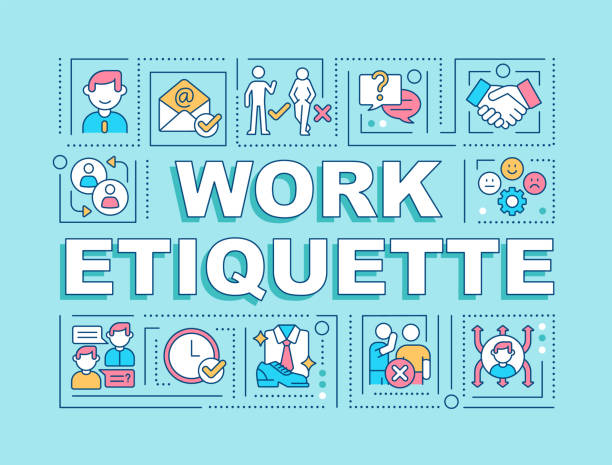
Successful business negotiations begin with thorough preparation. Knowing your counterpart’s background and industry trends helps you appear more professional and confident during conversations.
Learn Detailed Information About Your Counterpart
- Memorize their name and title to address them correctly during meetings, showing respect.
- Review their company website to understand corporate culture, history, and recent news. Taking notes on these points often breaks the ice and sparks discussion.
- Learn about their hobbies and interests and try to open with light topics like running, travel, or hometown scenery.
- If unsure about their personal interests, ask mutual contacts to avoid awkward silences.
Stay Informed on Industry Trends
- Read industry publications to grasp the latest trends and competitive landscape.
- Keep up with current news topics, which frequently become useful conversation starters, showing your breadth of knowledge.
Internal Meeting Strategies
- Study meeting agendas and prepare your talking points in advance.
- If unable to attend, arrange for a delegate to ensure information continuity.
- When chairing meetings, ensure fair speaking opportunities, control the agenda, and avoid digressions.
- Send meeting minutes within 24 hours to guarantee follow-up on decisions made.
Business Etiquette Details: Honesty, Integrity, and Respect

Success often lies in the details, and some seemingly minor etiquette points can bring you significant business opportunities.
- Be honest and trustworthy, admit mistakes courageously to demonstrate professional ethics.
- Arrive early — it shows more care than just being on time.
- Avoid vulgar language and maintain a professional demeanor.
- Appropriately praise former employers and clients to display your generosity and wisdom.
- Be especially kind to administrative assistants and staff, as they are the “bridge” to upper management.
- Don’t promise what you can’t deliver to protect your reputation.
Business Attire: Your “Silent Business Card”
Clothing is a silent language that conveys your identity, attitude, and professionalism. Dressing appropriately respects both yourself and others.
Dress Appropriately for the Occasion
- Industries like banking, law, and finance require formal suits.
- Creative and tech industries allow some flexibility but still require neat and professional attire.
- Even in more casual workplaces, avoid being overly informal.
Clothing Pitfalls to Avoid
- Sportswear, sneakers, beachwear, or clothes that are damaged or stained.
- Overly revealing or flashy outfits like miniskirts or crop tops.
- Excessive perfume and too much jewelry.
- Ill-fitting or heavily worn shoes.
Invest in Quality Clothing and Shoes
- Buy several high-quality suits that are lightweight, breathable, and wrinkle-resistant.
- Quality shoes are a critical detail reflecting professionalism and taste. Well-maintained shoes not only offer comfort but also boost your overall image.
The Art of Communication: Show Your Professionalism and Confidence
Speaking Tips
- Lower your voice tone to avoid a sharp or rising pitch, which increases authority.
- Avoid filler words like “um,” “like,” or “you know” to keep your speech clear and powerful.
- Separate personal life from work, reduce complaints, and maintain a positive workplace atmosphere.
- Confidently accept compliments, respond politely with “thank you,” and generously give praise to others.
Mastering Social Skills: Build Long-Lasting Effective Relationships
The Five Keys to a Perfect Handshake
- Always offer a firm, natural handshake to demonstrate confidence.
- Stand when shaking hands to show respect.
- Keep the handshake duration moderate with a smile and eye contact.
- In business, both men and women can initiate handshakes; socially, men should politely wait for women to extend their hand first.
- Pause briefly before releasing hands to show sincerity.
Ten Practical Tips for Remembering Names
- Repeat the person’s name several times to reinforce memory.
- Use association and visualization techniques.
- Write down the name to deepen impression.
- Don’t hesitate to ask for clarification on difficult names.
- If you forget a name, ask directly without embarrassment.
- Introduce yourself proactively to encourage the other party to share their name.
- Substitute related information when names slip your mind.
- Link the name with someone familiar sharing the same name.
- Practice regularly, don’t rush.
Six Preparations Before Socializing
- Build trust by initially interacting as friends.
- Develop relationships gradually, avoiding rushing.
- Focus on others’ needs, not just your own.
- Help others for mutual benefit.
- Plan ahead and clarify social goals.
- Stay open-minded; everyone can potentially become a client.
Business etiquette is more than just formality—it is the inner foundation of career success. Through a professional image, effective communication, and sincere relationship management, you will greatly enhance your professional charm and earn the trust and respect of partners. Remember: careful preparation, attention to detail, and continuous learning are key to thriving in the complex and ever-changing business world.