
Want stronger immunity, sharper thinking, steadier emotions, and a lighter physique? Start with a thorough renewal plan for your “second brain” — the gut.
In modern health perspectives, the gut is no longer just a “digestive system.” Increasing research shows that the state of your gut microbiome deeply influences your immune system, metabolism, mood, and even cognitive function. Therefore, “nurturing your gut” is no longer an empty phrase but a crucial health investment that demands serious attention.
1. Rethinking Your Gut: More Than Just a “Food Processor”
Your Gut Is Truly Your “Second Brain”

The gut houses over 100 million neurons, forming a neural network second only to the brain itself — known as the “gut-brain axis.” It independently regulates digestion, metabolism, immune responses, and even impacts your emotions and stress reactions. Ever felt like your “gut was making decisions”? That’s not an illusion — it’s a fact supported by neuroscience.
Research further reveals that about 90% of serotonin (a key neurotransmitter influencing happiness and emotional stability) is synthesized by certain bacteria in the gut. This helps explain why poor gut health often corresponds with anxiety, depression, fatigue, and irritability.
2. Cultivate a Healthy Microbiome Starting with Your Diet
Think of your gut as an ecological forest where beneficial and harmful bacteria coexist. The goal isn’t to “kill all bad bacteria,” but to create an advantageous environment for good bacteria through scientifically sound dietary habits, thus restoring your gut’s ecological balance.
1. Say No to “Fake Foods,” Embrace Nature
- Consume more fresh, natural, minimally processed foods like dark leafy greens, various legumes, whole grains, nuts, and cold-pressed plant oils (olive oil, flaxseed oil, etc.).
- Cut down on red meat and processed meats such as bacon, sausages, and luncheon meats.
- Avoid ultra-processed foods: potato chips, instant noodles, packaged pastries, sugary drinks — all loaded with sugar, salt, trans fats, additives, and almost no fiber, severely harming your gut.
2. Eat Superfoods for Both “Brain Power” and “Gut Power”
- Red grapes, blueberries, walnuts, avocados: rich in polyphenol antioxidants that protect nerves and reduce inflammation.
- Salmon, sardines: packed with omega-3 fatty acids supporting brain function and neurotransmitter synthesis.
- Yogurt, natto, kimchi, kombucha: abundant probiotics that improve microbial diversity.
- Leafy green juices or mixed vegetable-fruit juices: a gentler, non-alcoholic “wine alternative.”
3. Get Moving to Activate Your Good Bacteria
Exercise not only burns fat but also stimulates anti-inflammatory bacteria in your gut. Regular physical activity (brisk walking, swimming, dancing, yoga) has been proven to:
- Increase beneficial bacteria like bifidobacteria and lactobacilli;
- Reduce gut inflammation;
- Lower the stress hormone cortisol, improving digestion.
Aim for 30 minutes daily — no need for intensity, consistency matters. You might do Zumba one day, aerobics the next, and a brisk walk after that. More variety means stronger stimulation for your brain and gut.
4. Renew Your Kitchen, Renew Your Body
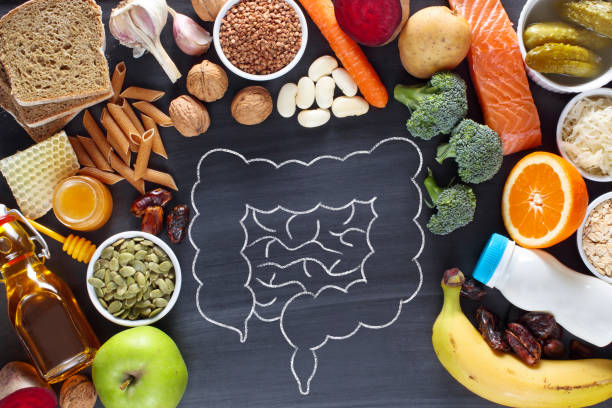
To build a healthy lifestyle, your kitchen is the frontline. Here is your “Kitchen Renewal Checklist”:
1. Coffee and Tea: Daily Antioxidant Magic
- Coffee: Moderate intake (2-4 cups daily) reduces risks of cardiovascular disease, Parkinson’s, diabetes. Its polyphenols promote a healthy microbiome beyond caffeine effects.
- Green tea: Rich in catechins and epigallocatechin gallate (EGCG), with anti-inflammatory, anti-cancer, cognitive-enhancing, and anxiety-reducing properties.
2. Spice It Up — Natural Flavor and Healing
- Turmeric: anti-inflammatory, antibacterial, promotes probiotic growth.
- Cinnamon: helps stabilize blood sugar, packed with plant nutrients.
- Fennel, black pepper, cumin, rosemary: add flavor while boosting antioxidant intake.
3. Drink Red Wine in Moderation
Polyphenols in red wine increase microbiome diversity. Drinking 1-2 times every two weeks is enough. But beware: excess alcohol suppresses good bacteria and burdens your liver.
4. Frozen Fruits and Vegetables — Nutrition Intact
Don’t underestimate frozen produce! Many are flash-frozen at peak ripeness, retaining antioxidants and vitamins comparable to fresh. They’re also easier to store and use anytime. Frozen kale, berries, and carrots are excellent choices.
5. Practical Tips for Gut Renewal
✦ Micromanage: Pair Probiotics and Prebiotics
- Probiotics: yogurt, kombucha, kimchi.
- Prebiotics: onions, garlic, bananas, oats, artichokes — food for probiotics.
- Avoid high heat cooking that kills probiotics; consume raw or add after cooking.
✦ Daily Fiber Goal: 25 Grams
- Add 2 tablespoons flaxseed (+11g fiber) to your breakfast smoothie;
- Include a vegetable salad at lunch;
- Snack on fruit with nuts, carrot sticks, or whole-grain crackers.
✦ Eat a “Rainbow Plate”
Include at least three different colors in every meal. This not only makes meals visually appealing but ensures a wider variety of plant phytochemicals.
6. Toilet Health Check Guide
Healthy stool is a mirror of your gut’s state. Observe and record stool shape, color, odor, and frequency as an important self-monitoring method:
- Normal colors: brown or yellowish;
- Warning colors: red (bleeding), black (possible stomach bleeding or iron supplements);
- For constipation: drink more water, increase fiber, maintain regular bowel habits;
- For diarrhea: pause dairy, replenish electrolytes and probiotics as needed.
Keeping a food diary helps identify sensitivities and avoid repeat discomfort.
7. Holistic Health from Kitchen to Skin
✦ Clean Your Pantry, Declutter Junk Food
Avoid unconscious intake of calorie-dense, highly processed snacks. Clean out your pantry every two weeks, replacing with nuts, whole-grain snacks, dried fruits.
✦ Brush Your Teeth Right After Meals to Curb Snack Impulses
A powerful psychological cue.
✦ Sleep Well for Dual Repair of Skin and Gut
Gut microbiome rebuilds during deep sleep. Lack of sleep disrupts this rhythm, leading to leaky gut, immune dysfunction, and mood disorders.
✦ External Care, Internal Balance
- Always use sunscreen, even on cloudy days;
- Clean makeup tools weekly;
- Don’t neglect neck care;
- Learn stress management to reduce skin inflammation and acne.
8. Don’t Forget Check-ups: Health Beyond Feelings
- Get a colonoscopy every 5-10 years, especially after age 40;
- See a doctor promptly for persistent gastrointestinal discomfort, bleeding, or alternating constipation and diarrhea;
- Encourage family and friends to adopt a culture of “prevention first.”
True “Gut Renewal” Is Not a Short-Term Cleanse Fad but a Long-Term, Holistic Lifestyle Upgrade
Approach from multiple angles: diet, exercise, sleep, psychology, kitchen setup, daily microhabits — and build your personalized gut health system step by step.
When your gut thrives, you will notice clearer thinking, more energy, radiant skin, and balanced emotions — all stemming from the small daily choices you make in your meals, kitchen, and lifestyle.