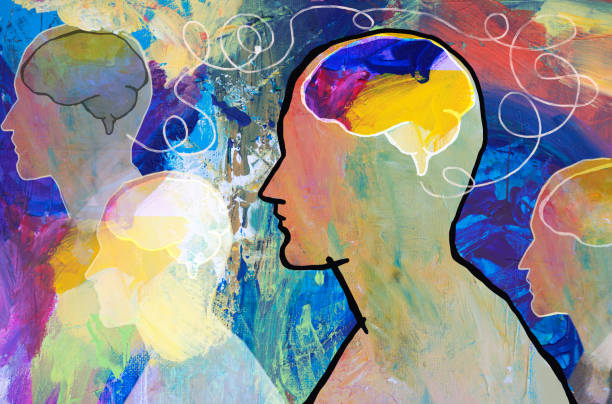
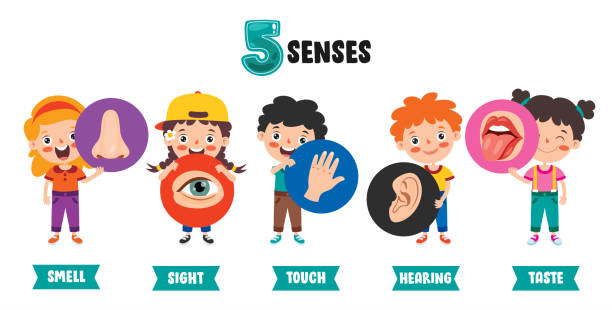
Although each of us tends to believe that what we see is the “real” world, the truth is far more complex. Our perception of the world is actually formed through the integration of various sensory organs—vision, hearing, touch, smell, taste—combined with our unique personal experiences and bodily states, all processed by the brain in a highly intricate way. This means that what we call “reality” is, in fact, a unique mental construct inside each person’s brain.
Our thoughts, emotions, behaviors, and even our understanding of existence are profoundly influenced by the state of our body. In other words, the world you see is never exactly the same as what others see. Our body and brain form an inseparable whole, where action often precedes thought—our life path is physically tread step by step, with the body acting as a navigation device for cognition. Only by deeply understanding and sensing our own body can we truly grasp our behavioral patterns and even gain a renewed understanding of life itself.
1. “Bullet Time” Is Not Sci-Fi But a Real Experience
In modern sports training, methods used by NBA superstar Stephen Curry reveal the fascinating phenomenon of “time slowing down.” During the off-season, Curry uses a neurocognitive training system called the FitLight Trainer, which pushes the body to extreme limits. This not only greatly improves his reaction speed and coordination but also enhances mental agility and situational judgment to a new level.
Curry has shared: “We do overload training so that during actual games, the pace feels slower. This training helps me become a smarter player, with smoother ball handling and more decisive decisions. It feels like I have more time to observe the game and adjust my movements and distances.”
This is not unique to Curry. Many sports legends have described similar states—for example, basketball great Bill Russell said that “when in the zone, time seems to flow in slow motion,” and tennis star John McEnroe described the ball as “getting bigger” and feeling like he had much more time. This “bullet time”-like effect reflects how the body and brain collaborate to shape our perception of time—an integral part of how we perceive the world.
2. Body State Shapes Our Perception and Brain Structure
Scientific research shows that our perception of the external environment is closely linked to the state of our body, with significant differences caused by physical condition. For example, perceiving the steepness of a slope depends not only on visual information but also on one’s current physical fitness.
A study by Danny and Mukherjee pointed out: “Walking with weight, fatigue, aging, and health decline all make slopes appear steeper. Short-term physical burdens (like carrying a backpack) and long-term fitness differences (such as between elderly people and athletes) influence slope perception.” Simply put, the slope you “see” changes according to your body’s capacity and condition.
This means the world you see is not a fixed, objective reality but a dynamic experience shaped by your body’s condition. Your body determines how you understand the environment and whether you are willing or able to climb that mountain path.
3. Walking Sparks Creativity—Body and Mind Are Inseparable

Philosopher Søren Kierkegaard once said: “The most important thing is not to lose the desire to walk. Walking not only maintains health but also brings about the best thinking state. Sitting for too long causes discomfort, and only walking can cleanse the soul and relieve worries.”
Modern science validates this ancient wisdom. Research from Stanford University shows that walking significantly boosts divergent thinking (creativity), while analytical thinking is relatively reduced. In other words, bodily movement directly promotes the generation of new ideas and inspiration.
Moreover, “forest bathing,” a popular Japanese health practice, helps people disconnect from electronic devices by walking in woods, lowering blood pressure and stress within minutes, even affecting the immune system. Meditation combined with exercise has also been proven effective in alleviating severe depression. Many runners experience running as a powerful mental regulation tool.
This illustrates that physical movement not only shapes perception but also profoundly influences thought and emotion, driving human creativity and mental well-being.
4. Hidden Threats to Health from Modern Lifestyles
Despite the convenience of modern society, unhealthy lifestyles cause numerous health problems. Endurance animals like humans are naturally built for sustained movement, and a lack of exercise leads to illness.
A long-term study of 4,300 adults in Texas revealed that long-distance commuters with insufficient physical activity had poorer cardiovascular fitness, higher obesity, and hypertension rates. Similar findings appear in Chile and the UK, where active commuting (walking, cycling) significantly reduces obesity and diabetes risks.
This reminds us that less frequent body-environment interaction directly impacts health quality. Embracing exercise and an active lifestyle is the key path for modern humans to combat chronic diseases.
5. Mastering the Right Rhythm Doubles Endurance and Efficiency
In Nepal’s Himalayan region, porters carry loads far exceeding their body weight daily. They achieve efficient endurance by following a scientific pace and rest rhythm—walking for 15 seconds, resting for 45 seconds—maintaining a slow but sustainable load.
Biomechanical studies show this rhythm is the optimal pattern for human adaptation to long-duration endurance activities. Through natural selection, humans developed gait patterns that meet environmental energy demands, enabling efficient and sustainable physical output.
Understanding and applying these body rhythms not only boosts endurance but also shapes how we perceive the world.
6. Exercise Changes Our Perception and Cognition of the World
Highly fit individuals expend less energy during exercise, with increased muscle mitochondria and metabolic rates, allowing longer and more efficient physical activity. Research finds athletes store more usable energy and consume less for the same exercise.
This influences not only physical performance but also brain perception of the world. Everyone lives in a unique “subjective world” that evolves with changes in bodily condition.
Those who persist in exercise actually change how they perceive the world, breaking the fixed notion of “seeing is believing.” Our perceived world reflects our body’s abilities.
7. Our Hands Shape Our Cognition and Worldview
Our hands are primary tools for exploring the world and important mediators of perception. How we use tools directly influences our environmental understanding.
Research shows gun owners are more likely to perceive non-threatening objects as threats and even perceive more people carrying guns around them. Hand movements and the objects we hold alter our sense of environmental safety.
In other words, our hands not only change how we interact with the world but also deeply affect how we judge others’ intentions and the state of the world.
8. Action Itself Possesses Independent Intelligence
Human vision is not a single system but composed of two parallel subsystems: the “cognitive visual system” and the “action visual system.”
The cognitive visual system allows us to recognize shapes, colors, and meanings, building our awareness of the world; the action visual system provides precise navigation for physical movements, such as reaching for a cup.
These systems work closely to enable hand actions to adapt precisely to the real environment, unaffected by cognitive illusions.
When we use tools, the tools effectively “extend” our hands, making distant objects seem closer and helping us understand and control complex actions more easily.
The world you see is not an objective truth but a personalized version “woven” together by your body and senses. Your body’s state, rhythm of action, exercise habits, and even your hand movements shape your perception of reality. By better understanding and training your body, you can not only improve your health but also renew your comprehension and perception of the world around you.