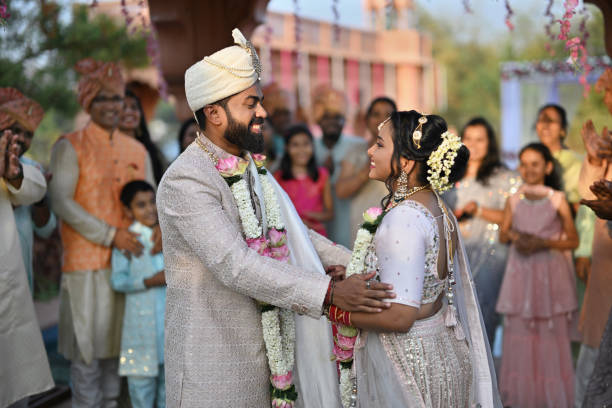
Marriage is a major event in life, affecting your happiness for decades to come. Many people have heard the advice, “You must be sure about the person before marrying,” but the question is, how do you really know? How can you avoid being fooled by surface appearances and truly understand someone’s essence? Here, I want to share some deep insights and advice based on my observations and experience, hoping to help you avoid detours on the path to marriage.
1. Don’t Be Deceived by Appearances — There Are More “Illusions” in Romance Than You Think
People often deliberately show their best side during dating, even adjusting their attitudes and behaviors to please the other person, hiding flaws, and sometimes consciously or unconsciously “acting.” Not just their attitude, but their values, ways of handling matters, even emotional management can be carefully packaged. Especially if you lack experience and discernment, it’s hard to see through the surface to the real person underneath.
So, just relying on sweet words and everyday behaviors is far from enough. Truly understanding someone requires deeper observation and life experience. Unfortunately, many young people lack this ability, which makes the judgment of parents or elders especially important — after all, they have more life experience and a broader perspective.
2. Observe How They Behave During Life’s Low Points
A person’s behavior in good times does not reveal everything, and may even say little. But someone who can stick to their principles and ideals when facing major setbacks or difficulties is truly trustworthy.
For example: business failure, serious illness, loss of loved ones, unemployment, relationship breakdown, or divorce — these moments test character and inner strength. Watch whether they choose to give up or confront problems actively; whether they lose control or stay calm; whether they complain passively or bear hardships silently.
In tough times, a person’s true character and values often show clearly. As the saying goes, “You don’t know a person until you’ve been through a big event with them.” Those who can keep their composure through these trials are often the most reliable partners in the future.
3. Ability to Handle Negative Emotions and Crises Is Key to Lasting Marriage

Marriage isn’t always smooth sailing; negative emotions and difficulties are inevitable. How couples deal with these challenges and whether they support each other in hard times determines if the relationship will last.
Young people often have less resilience to setbacks, and economic pressures can lead to conflicts. This is one reason early marriages often end in divorce.
When negative emotions arise, both parties’ reactions are crucial. For instance, if one expresses dissatisfaction or anger, and the other responds with resentment or ignores those feelings, the relationship quickly deteriorates. On the other hand, rational communication and mutual understanding can resolve many conflicts.
Before marriage, it’s a good idea to undergo some “stress tests” together — like long trips or challenging tasks. How does the other handle fatigue, frustration, and problems? This is the true test of character and inner strength.
4. Influence of Family Background and Parents’ Relationship Model
One’s views on love and marriage are largely shaped by family environment. Parents’ way of relating to each other, their values, and the family atmosphere subtly mold the child’s personality and emotional patterns.
If parents have a harmonious, respectful, and loving relationship, children tend to be more confident and have healthier values. Conversely, if parents frequently quarrel or give each other the cold shoulder, children may carry emotional wounds that cause difficulties in their own relationships.
Also observe how he communicates with his parents. If he maintains a friendly, respectful, and equal relationship with them, it shows good emotional intelligence and independence.
For those from single-parent or single-child households, the situation is different, but that doesn’t necessarily mean problems — it just requires more careful observation and understanding.
5. Don’t Rush to Marry — Give Each Other Enough Time to Really Know One Another
During the honeymoon phase, the brain is flooded with hormones that make you see mostly the other’s strengths and overlook flaws. Both sides tend to hide shortcomings and desperately show their best selves.
Thus, rushing into marriage is very risky and often leads to divorce. It’s recommended to at least cohabit for some time to experience daily trivialities and conflicts, as flaws and incompatibilities gradually appear. Before marrying, ask yourself: Can I accept these flaws? Am I willing to tolerate and adapt with my partner?
Marriage isn’t a fairy tale; it’s daily life with its mundane chores, and it truly tests tolerance and adaptability.
6. Is It Comfortable to Be Together? Can You Grow Together?
After long-term interaction, do you feel relaxed and happy with your partner, or constantly stressed and anxious? A good relationship should allow both partners to feel growth and positive energy, not drain their energy and patience.
Respect for each other’s independence, honest communication, and avoiding excessive dependence or control are the foundations of a healthy relationship. If personality clashes are serious and irreconcilable, frequent conflicts after marriage are inevitable.
7. Pay Attention to the Quality of Your Sex Life
Psychologist Barry McCarthy points out that a good sex life can increase marital happiness by 15%–20%. Conversely, poor or absent sex life greatly reduces happiness and harms marital stability.
Marriage is not just about companionship, but also spiritual and physical harmony. Sexual harmony is an important lubricant for maintaining emotional bonds.
8. Are Your Money Attitudes Compatible? This Affects Marital Stability
Money is a sensitive topic in marriage, and differences in values often cause conflict. For example, one person might be extremely frugal, while the other enjoys luxury spending; or they may have different approaches to managing finances, leading to friction.
Therefore, before marriage, it’s essential to have honest talks about financial views, understand each other’s attitudes towards money, and set common financial goals. This helps prevent future disputes.
9. Observe Their Circle of Friends and Social Relationships
“Birds of a feather flock together.” A person’s friends reflect their values and personality to some extent. A good social circle usually indicates healthier values and character.
On the other hand, if their friends are often negative, fake, or toxic, it may suggest that the person is hiding flaws you don’t see.
10. How They Treat People of Lower Status Than Themselves
How someone treats service staff, subordinates, or people less fortunate reveals their true nature. If the person is petty or rude, be very cautious — such behavior often causes conflicts in married life.
11. Hobbies Reflect a Person’s Inner World
Interests and hobbies reflect personality and values. For example, people who enjoy golf, poker, or Go usually demonstrate patience, strategy, and fairness — traits that often translate to maturity in dealing with others.
12. Learn from “Seasoned Players” Around You
Having some “experienced players” (i.e., friends who have had tough relationships) can actually help you spot potential risks. They have lots of “minefield” experience to help you avoid relationship traps before marriage.
Marriage is a deep bond between two people, requiring you to look beyond appearances and see essence. No one is perfect, but there is someone right for you. Judging a person well is not based on fleeting feelings, but through time, environment, hardships, and detailed observation and real interaction, to find the partner who will stand by you through storms and joys.
I hope these suggestions help you make wiser, more rational choices when picking a life partner, turning your marriage into a harbor of happiness instead of a cage of pain.