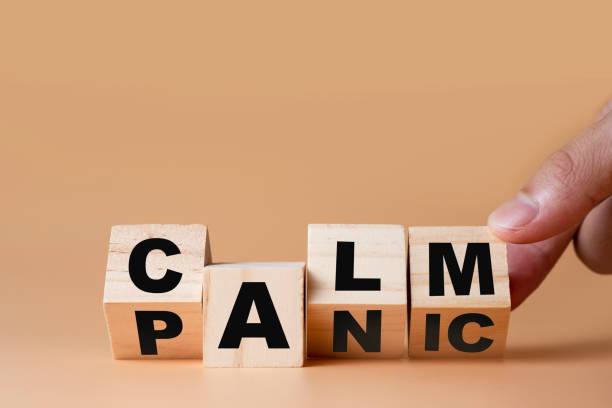
In today’s fast-paced world, anxiety, stress, and tension have become persistent shadows affecting many people, severely impacting both mental and physical health as well as overall quality of life. To truly break free from these challenges and regain an inner sense of safety and the focused state of flow, mastering the feeling of relaxation is crucial. Relaxation here goes beyond simple rest—it is a rich psychological and lifestyle state. This article revolves around the concept of “abundance mindset” and introduces three practical techniques to help you liberate yourself from feelings of scarcity and burnout, achieving balance and freedom in your mind and life.
What Is Abundance? Understanding the Power of Inner Sufficiency
Abundance is not just about material wealth; it is a psychological state and a life attitude. It means feeling rich and fulfilled within the limits of your resources and environment. Abundance teaches us to live freely within boundaries, cherish and appreciate what we have, while respecting our limits. People with an abundant mindset tend to be more confident and optimistic, and they find it easier to enter the state of flow—that deeply focused, joyful, and productive mental state.
Core Elements of an Abundance Mindset
- Self-Acceptance: Embracing both your strengths and weaknesses, recognizing that you are already enough.
- Gratitude: Cultivating appreciation for the small beauties in everyday life, fostering a thankful attitude.
- Boundary Awareness: Understanding and honoring your physical and mental limits to avoid burnout.
- Connection with Nature: Returning to nature to feel life’s roots and gain inner peace.
Abundance is a power that flows from the inside out; it is the foundation for stability and strength when facing external pressures.

Technique One: Cultivate Appreciation and Gratitude to Open Abundant Thinking
When we feel anxious or stressed, we tend to focus more on what’s missing or what’s “not enough”—classic scarcity thinking. The first step to shifting from scarcity to abundance is to practice appreciation and gratitude.
How to Practice?
- Three Appreciations Daily
Each day, write down three things about yourself that you appreciate. They can be small, like finishing a task today or staying patient with yourself. Over time, this habit will gradually change your inner dialogue, helping you focus on your value rather than flaws. - Gratitude List
Make a list of people, experiences, or things in your life you are grateful for. Gratitude is a powerful emotion that helps you step back from stress and see the beauty in life. - Acknowledge Your Efforts
This is not about perfection but about recognizing the efforts you have made. One of the best ways to fight perfectionism is to affirm your progress and attempts.
Through these daily practices, your mind fills with positive energy, and your emotions become more stable.
Technique Two: Ask Sharp Questions to Challenge Negative Limiting Beliefs

Negative emotions often stem from limiting beliefs we hold about ourselves—for example, “I’m not smart enough,” “I can’t do this,” or “I don’t deserve success.” These inner voices severely undermine our confidence and behaviors.
How to Practice?
- Identify Limiting Beliefs
Write down your negative thoughts or share them with a trusted friend or coach acting as a “thinking partner,” who listens and helps you reflect. This helps reveal the hidden limits behind your words. - Question and Refute
Challenge these beliefs by asking: “Is this really true?” “What evidence supports this thought?” “Are there facts that contradict it?” - Find Alternative Beliefs
Replace limiting thoughts with positive, realistic, and supportive ones. For example, switch “I’m not smart enough” to “I have the ability and passion to learn.” - Practice Repeatedly
Keep asking these questions until you uncover your true thoughts and potential. As new beliefs take hold, you will feel a sense of inner liberation and growth.
These cognitive-behavioral therapy techniques are scientifically proven to alleviate anxiety and depression. The key is continuous self-awareness and practice.
Technique Three: Focus on Your Breath to Rebuild Harmony Between Body and Brain
When under stress, the amygdala in your brain triggers the “fight or flight” response, cutting off control from the rational prefrontal cortex and plunging you into panic and tension. The key to restoring inner calm lies in regulating your breathing to influence heart rhythms and reactivate rational thinking.
How to Practice?
- Notice Body Signals
Pay attention to signs like a racing heart, sweating, or trembling. The first step is to acknowledge and accept these physiological responses rather than avoid or resist them. - Deep Diaphragmatic Breathing
Breathe deeply into your abdomen, slowly filling your lungs while counting to five, then exhale slowly while counting to five. Keeping inhalations and exhalations equal helps activate the parasympathetic nervous system, promoting relaxation. - Repeat 3-5 Times
Do several rounds and feel your heartbeat gradually steady. Your rational brain comes back online, making you better equipped to face challenges. - Use Anywhere, Anytime
Whether in meetings, driving, or sudden stressful moments, use breathing exercises to quickly regain composure.
Modern neuroscience shows that breathing is the simplest and most effective tool for emotion regulation. Mastering breath control is a vital pathway to reclaiming safety and flow.
Extended Insight: Hormonal Balance and Psychological State
Stress hormone cortisol and anti-stress hormone DHEA play key roles in regulating our psychological state. Cortisol acts as the body’s “stress switch,” helping us respond to challenges in the short term, but chronically elevated cortisol can cause anxiety, fatigue, and cognitive decline. Conversely, DHEA helps balance cortisol’s negative effects, supporting brain function and emotional stability.
- Maintain Hormonal Balance
Cultivating an abundant mindset and emotional stability helps regulate these hormones, reducing chronic stress damage. - Lifestyle Influences
Regular sleep, healthy diet, moderate exercise, and good social connections are vital for hormone regulation and mental health.
: Become the Captain of Your Inner World
Overcoming anxiety, stress, and tension is not an overnight achievement. It requires conscious shifts in thinking, cultivating positive mental habits, and regaining control through bodily regulation. By practicing appreciation and gratitude, challenging limiting beliefs, and focusing on your breath, you can gradually free yourself from negative emotions, restore your sense of safety, enter the smooth flow state, and live a life that is abundant, free, and meaningful.