In today’s fast-paced and diversified world, a new form of social interaction known as “partner-based socializing” has quietly emerged. The term “partner” refers to someone who joins you in a specific activity—such as a meal partner, travel buddy, exhibition mate, or fitness companion. These relationships are not as all-encompassing as traditional friendships, nor as transactional as workplace connections. Instead, they center around functional companionship.
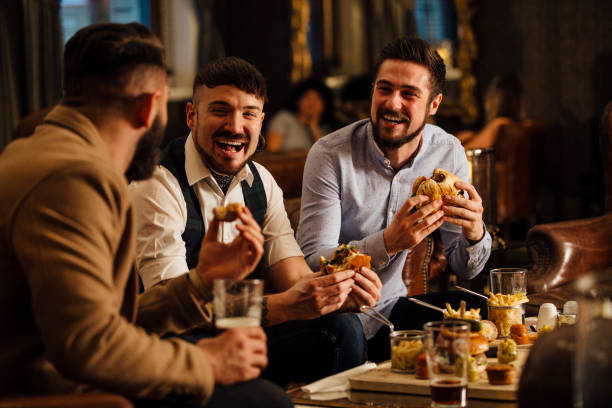
So why has this new form of social interaction risen in popularity? What psychological and social dynamics lie beneath it? Let’s begin with two of the most common examples: meal partners and travel buddies.
1. Meal Partners: Subtle Companionship in Unfamiliar Cities
I first encountered the concept of “meal partners” years ago when I worked in management consulting. Project assignments often sent me to different cities across the country. Sometimes I was lucky enough to travel with familiar colleagues—people I could dine and chat with after work. But more often, I found myself alone in a completely unfamiliar place, with projects lasting several weeks or even months.
Back then, smartphones weren’t as smart as they are today. Killing time was a real challenge. After long days on-site with clients, I would return to a lonely hotel room. Apart from ordering takeout and watching TV, there wasn’t much else to do. In smaller, quieter cities, the isolation felt even more acute. Dining alone night after night became emotionally draining.
One day, I started noticing whether other consultants were also working in the same city. At mealtimes, I began approaching nearby consultants with small talk like, “Are you here on assignment too? Which firm are you with?” If we got along, we’d arrange to have dinner together. These relationships were casual and didn’t extend into personal lives—but for the purpose of sharing a meal, they offered valuable companionship.
Surprisingly, these meal-based connections helped me meet many peers in the industry. Some eventually became close friends, while others led to meaningful professional relationships. In one case, a dinner partner even connected one of my team members with a consultant from another company, streamlining a crucial local collaboration.
Although I later changed careers, I still remember how comforting it was during those lonely business trips to find someone I could share a meal with and talk about clients and work frustrations. It made a cold city feel just a little warmer.
2. Travel Buddies: Temporary Social Contracts and Shared Memories
Let’s now talk about “travel buddies,” a term likely more familiar to the general public. Many people have experienced this: you want to travel, but some destinations are too remote or expensive to tackle alone. If you happen to meet someone with similar plans, you can share rides, meals, or lodging—and the experience becomes far more enjoyable.

I used to travel solo often, from the deserts of northwest in Africa to rainforests of Amazon, from the shores of Columbia Lake to the streets of LA. While the landscapes were breathtaking, something always felt missing without someone to share them with. That’s when I started looking for travel buddies.
In hostels, I’d meet fellow travelers over breakfast and swap itineraries. If we were heading the same way, we’d team up for a stretch of the journey. Having a companion not only made things more fun, but also more efficient. On one trip to a remote town, I almost had to cancel due to limited transport options—until I met a photographer in the hostel who wanted to go too. We split a car, hit the road, and ended up having one of the most relaxed and enriching trips of my life.
Of course, not everyone is suited to be a travel buddy. Clashing personalities can quickly turn a trip sour. Picking the right person requires a good sense of judgment and social awareness.
With the rise of social media, people now find travel partners in advance by posting on platform: “Looking for someone to join me on a route this National Day,” or “Planning to shoot the stars in Oregon—anyone interested?” This allows people to pre-select compatible companions, reducing friction and improving the travel experience.
3. The Essence of Partner-Based Socializing: Functional Companionship and Trust Through Weak Ties
Why is partner-based socializing trending? Fundamentally, it reflects shifting social behaviors in modern life. Deep, long-term relationships have become harder to maintain, while functional, purpose-driven connections are rising in appeal.
1. A Remedy for Loneliness and Fragmented Time
In urban life where emotional connections are increasingly scarce, many people crave companionship in specific scenarios—without the emotional burden of maintaining deep relationships. “Partners” serve this need perfectly: someone to talk to over a meal, train with at the gym, or split costs with during a trip. These connections are respectful of boundaries, emotionally light, and deeply comforting when needed.
2. Trust and Possibilities Through Weak Ties
Unlike strong ties like family or close friends, “partner” relationships are classic examples of weak ties—but that’s not a downside. Weak ties are flexible and easy to form or dissolve. A meal or a short trip can lead to new friendships, job referrals, or simply a pleasant encounter that brightens your day.
3. Resource Sharing and Cost Efficiency
From ride-sharing to cost-sharing, the “partner” model is essentially a collaborative system. It cuts individual expenses and boosts overall efficiency. For example, travel buddies can reduce transportation and accommodation costs, while gym partners can help each other stay motivated.
4. Better Social Experiences with Less Emotional Load
These lightweight, low-commitment relationships allow for emotional connection without overwhelming obligation. In a fast-paced world, they provide a manageable way to feel seen, heard, and supported. That makes partner-based socializing an increasingly important emotional outlet for many.
4. From Partner to Friend—Sometimes, Just One Moment Away

While most “partner” relationships are temporary by design, they can evolve. A shared meal, a moment of mutual help, or an experience of joy or challenge can transform a functional bond into a true friendship. This subtle shift from utility to emotion is perhaps the most magical aspect of partner-based socializing.
As people continue exploring new ways to connect, we’ll likely see even more niche partner categories emerge: reading buddies, museum partners, or late-night walk mates. This reflects a broader shift—we are no longer expecting one person to meet all our emotional needs, but are instead finding the right companion for the right moment.
“Partner-based socializing” is a distinctly modern phenomenon. Far from being shallow, it accurately addresses real needs: loneliness, social fatigue, and the desire for shared resources. It reflects how interpersonal connections are becoming more decentralized, yet still meaningful in their own way.
In a world that’s increasingly fragmented, we don’t always need a perfect friendship. Sometimes, just having someone to share a meal with, or explore a new city with, is enough. Even temporary companionship can warm the heart and make everyday life feel a little less lonely.