
Have you noticed that you feel energetic and in good spirits in the morning, but your mood tends to drop and you feel down in the evening? This phenomenon is actually quite common. The reason why emotions tend to worsen at night is due to a combination of factors, including personal habits, lifestyle, stress levels, work conditions, dietary habits, and physical health. This article will analyze in detail why emotional lows are more likely to occur at night and provide some practical ways to improve your mood and help you get rid of the “nighttime blues.”
1. Decreased Serotonin Levels — The Chemical Basis of Emotion
Serotonin, an important neurotransmitter in the human body, directly affects our mood, sense of happiness, and mental state. Scientific studies show that serotonin levels are closely related to mood, especially at different times of the day.
Many people feel refreshed upon waking, which is related to higher serotonin levels. During the day, exposure to sunlight increases vitamin D in the body, which in turn promotes serotonin synthesis, making people feel happy and energetic. However, at night, without sunlight, vitamin D and serotonin levels naturally drop, causing mood to become low and fatigue to set in.
A study on overweight individuals found that vitamin D deficiency is common among them, and lack of vitamin D affects serotonin production, making people more prone to depression symptoms. Many people seek comfort through eating when feeling down, and this “emotional eating” can easily create a vicious cycle, making negative emotions harder to break free from.
How to Boost Serotonin?
- Get More Sunlight: Spend at least 20-30 minutes in the morning sunlight daily to promote vitamin D synthesis and boost serotonin.
- Supplement Vitamin D: Especially for those working indoors or in winter, supplements can help maintain vitamin D levels.
- Stay Active Outdoors: Schedule a few hours per week for outdoor exercise to stabilize mood and enhance well-being.
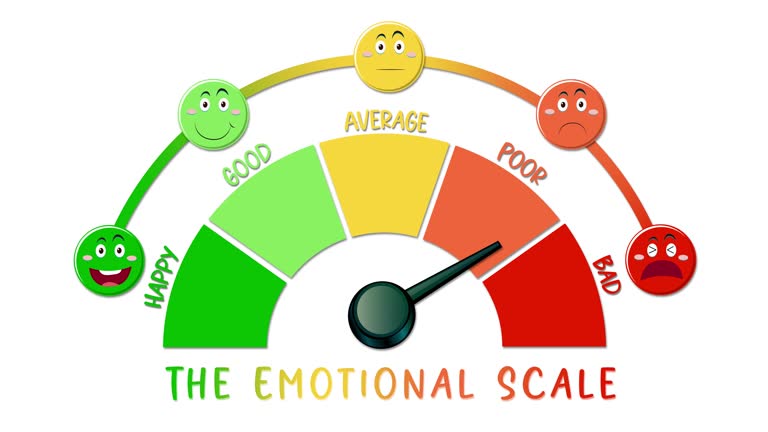
2. Occupational Burnout — The Invisible Killer of Stress Accumulation
When under high work pressure and psychological burden for a long time, the body and brain can enter a state of exhaustion, known as “occupational burnout.” Burnout is more than just fatigue; it’s a gradual accumulation of psychological and physiological symptoms that can seriously threaten health.
Common symptoms include ongoing anxiety and worry, emotional numbness, loss of work enthusiasm, poor sleep quality, eating disorders, exhaustion, decreased concentration and memory, irritability, and mood swings. If you find yourself especially emotionally fragile or utterly drained at night, occupational burnout might be to blame.
How to Recover from Burnout?
- Exercise Regularly: At least 15 minutes daily, even a simple walk can significantly improve physical and mental recovery.
- Practice Meditation and Mindfulness: Learn to focus on the present to ease tension and anxiety.
- Learn to Relax: Find relaxation methods that suit you, such as yoga, Tai Chi, or traditional qigong exercises.
- Social Support: Regularly meet friends, share feelings, and reduce loneliness.
- Limit Electronic Devices: Cut down on phone and social media use to give your brain time to “unplug.”
- Plan Short Trips or Stays: Choose a quiet place to fully relax and relieve stress.
3. Identify Behavioral Triggers — Recognize Emotional “Fuses”
Emotional lows often have specific triggers. Have you noticed any particular events or behaviors around the times your mood worsens? For example, failing a task at work or hearing unpleasant words from someone might be the “fuse” that sets off your negative emotions.
Try keeping an emotion diary to analyze when you’re most prone to feeling depressed, anxious, or angry. Understanding the root causes behind these triggers can help you adjust and improve fundamentally.
4. Energy Management — Physical and Mental Overexertion
After a busy and exhausting day, energy levels naturally hit their lowest point in the evening. Both the brain and body need rest and recovery. If you often feel extremely tired and emotionally low at night, this is a normal physiological response.
However, if the low mood exceeds the “normal” range, you should pay special attention:
- Adjust Your Diet: Avoid heavy, greasy, and sugary foods at night; eat fresh vegetables and fruits rich in fiber to aid digestion and stabilize blood sugar, preventing mood swings.
- Stay Hydrated: Maintain adequate water intake throughout the day to avoid fatigue and poor mood caused by dehydration.
- Maintain a Healthy Routine: Avoid staying up late, minimize phone or computer use before bed to reduce blue light exposure, and ensure sufficient sleep.
- Relax Body and Mind: Evening walks, meditation, or yoga can help the brain and body relax and accumulate energy for the next day.
5. and Action Suggestions
Evening emotional lows are not only natural physiological phenomena but also reflect issues in our daily stress management, dietary habits, and psychological regulation. As long as we recognize these factors and take effective measures, we can significantly improve our mood at night.
If you often feel powerless, depressed, anxious, or suffer insomnia at night, try these approaches:
- Get daily sunlight, supplement vitamin D, and boost serotonin levels.
- Notice signs of occupational burnout and proactively balance work and life.
- Record emotional triggers and learn to recognize and manage negative emotions.
- Adjust diet and routine, plan reasonable evening activities, and keep body and mind relaxed.
Have you experienced emotional lows at night? Feel free to share your experiences and tips so we can all improve together!