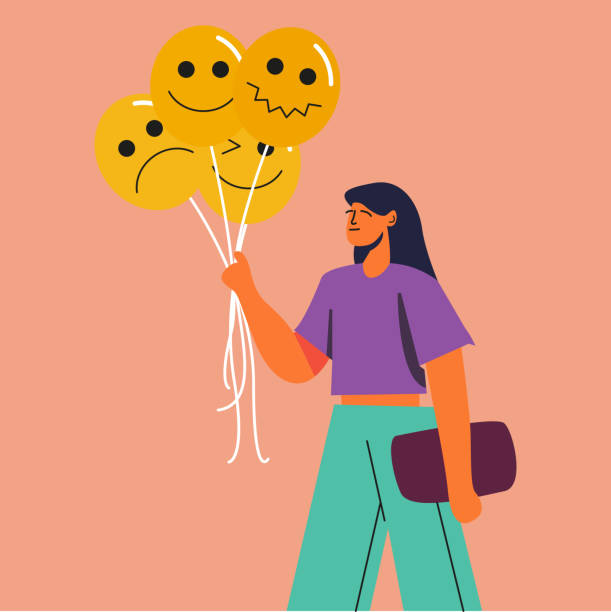
In modern society, we often witness a curious phenomenon: many intelligent and talented individuals end up doing seemingly foolish, even self-destructive things. This phenomenon is not only puzzling but has also sparked extensive research in psychology, neuroscience, and sociology. Through in-depth exploration, we find that behind these apparent “foolish acts” often lies a failure of self-regulation—especially the inability to control anger—and a reflection of a lack of deep meaning in life.
Failure of Self-Regulation: The Invisible Shackles of the Individual and Society
Self-regulation, simply put, is our ability to control our emotions, impulses, and behaviors. Studies show that many social problems in developed countries—whether drug abuse, alcoholism, gambling, violent crime, mounting debt, or poor academic and work performance—are closely linked to self-regulation failure. Anger, one of the most intense negative emotions, is a key trigger for this loss of control.
When angry, we often lose the ability to think calmly; impulse dominates. We may binge eat, spend recklessly, or even use alcohol and drugs to numb inner pain. Anger not only traps us in a vicious cycle but also induces addictive behaviors that disrupt normal life trajectories. Worse, prolonged anger can cause physical harm.
The Physiology of Anger: Brain and Body “Out of Control”
When we get angry, our body releases cortisol—a stress hormone. Chronic elevation of cortisol damages the hippocampus, the brain region responsible for memory and learning, leading to cognitive decline. Simultaneously, adrenaline released by anger alters blood flow, causing brain hypoxia and confusion. In other words, anger makes us “stupid,” robbing us of our original wisdom and judgment.
Wisdom is not just the accumulation of knowledge but a manifestation of emotional health. It enables us to rise above emotional quagmires, view problems objectively, and make rational, effective decisions. Emotional reactions lacking wisdom often lead to impulsiveness, extremism, and even self-destruction.
The Battle Between Reason and Emotion: We Are Our Own Enemies

Even the most emotionally stable people can be swayed by temporary feelings. Faced with convenience and comfort, people often abandon reason and follow desire. For example, knowing that obesity harms health and exercise matters, yet they remain sedentary; knowing money cannot buy true happiness, yet chase it desperately, ending up in debt.
This behavioral pattern originates from the struggle of the “self.” The self is a powerful psychological mechanism protecting our self-esteem but also causing stubbornness in poor decisions and fear of admitting failure. We fall into the “sunk cost fallacy,” unwilling to let go of endeavors already invested with time and resources, even when the future is hopeless, because giving up means admitting loss and failure.
The Sunk Cost Fallacy: The Trap of Rationality
In investment markets, emotional decisions cause losses. In life, this emotional interference is even more complex. People stubbornly cling to failed relationships, unsuitable jobs, or hopeless ventures out of fear that prior investments were wasted.
When self-esteem is low, “self-sabotaging” behaviors may occur. When luck strikes, anxiety arises instead of trust, sometimes deliberately undermining success to maintain inner security. Though extreme, this mindset deeply reflects humans’ complex psychology toward failure and success.
Technology and Dopamine Addiction: Modern Society’s New Challenges
Beyond internal emotional struggles, modern technology presents new challenges. Smartphones and social media devices continuously stimulate dopamine release, causing “reward system” imbalances. The brain gets “hijacked” by high-frequency stimulation, making focus difficult, emotional regulation poorer, decision quality lower, and anxiety and stress accumulate.
Under such conditions, people struggle more to resist impulses and anger, more easily falling into meaningless behaviors and life states.
Meaning in Life: The True Source of Happiness
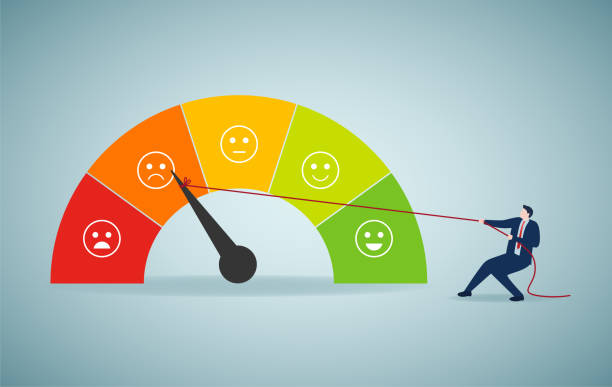
At a deeper level, lack of meaning in life is the root cause of anger loss of control and behavioral imbalance. Modern people pursue comfort and escape pain but neglect the importance of meaning. Without clear, valuable goals, even a materially rich life cannot bring real satisfaction and happiness.
Research shows actively pursuing meaningful goals significantly boosts happiness and mental health. Conversely, chasing material pleasure and fleeting joys leads to emptiness and suffering.
Psychological masters like Viktor Frankl and Freud emphasize that power, money, and fame—superficial goals—cannot fill the inner void. People truly yearn for recognition, value, and a sense of contributing to society and others.
Escape and Pain: The Vicious Cycle Backlash
Trying to avoid life’s pain and challenges brings deeper suffering. Mental health research shows unemployment and boredom significantly increase depression and cardiovascular risks. People stuck in meaningless states deteriorate physically and mentally.
The soul’s deep craving for meaning manifests through various bodily signals—anxiety, insomnia, chronic illness, psychological disorders—all “soul alarms” warning us we cannot continue living hollow, confused lives.
Potential and Self-Actualization: Towards True Happiness
Everyone has unique potential and a mission; life’s meaning lies in realizing them. The more we use our abilities, the more fulfillment and happiness we feel. Wasting potential brings shame and depression.
Psychologist Maslow pointed out that failing to become the “ideal self” is a root cause of suffering. Happiness depends not on the environment but on how we perceive it, face challenges, and grow continuously.
: Embrace Reality and Live a Meaningful Life
Escaping reality only deepens pain. Accepting flaws, admitting failure, and reconciling inner conflicts is the first step out of anger’s trap. Then, we need to re-examine life’s meaning and set real, valuable goals.
Only then can we truly control anger, make rational choices, and avoid those “foolish acts smart people do.” A sense of meaning makes us strong and fills life with hope and brilliance. True wisdom means living such a valuable life.