
Have you ever had a moment where something seemingly minor—your partner forgetting to take out the trash, a coworker interrupting you, or your child refusing to eat—suddenly sends you into a fit of rage? You may find yourself saying things you later regret, only to wonder afterward: “Why did I overreact like that? Am I just too sensitive?”
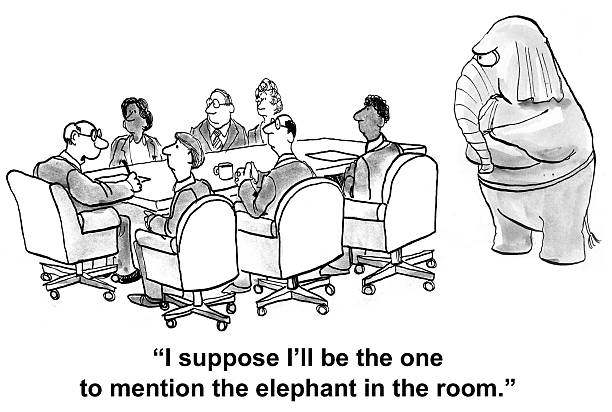
Psychology offers a deeper explanation: what triggered your anger wasn’t the tiny “mosquito” of a problem—but rather the emotional elephant buried deep inside you. It’s made up of ignored emotions, unhealed wounds, unmet psychological needs, and unresolved pain from the past.
Why Do Small Things Trigger Big Emotions?
Each of us carries a collection of “unfinished business” inside—unresolved emotional experiences. These aren’t necessarily dramatic or traumatic events; they could be as subtle as being overlooked by your parents, betrayed in a relationship, or never feeling truly seen and valued. These experiences plant emotional “landmines” in your subconscious.
Then, one day, something small—a dismissive comment, a broken promise, a disapproving glance—steps on one of those landmines. And boom: an outburst.
Often, it’s not the current moment that we’re reacting to, but a cry from a past version of ourselves who was never heard. We’re saying, “I’ve held this in for too long!” But often, we don’t even realize what we’ve been holding in.
What Is This “Emotional Elephant”?

This metaphorical elephant represents your long-standing, unmet psychological needs—the ones that have been ignored, suppressed, or invalidated. For example:
- The need to be understood and accepted
- The need for safety and trust
- The need to feel respected and valued
- The need for emotional expression and support
- The need for autonomy and control over your life
When these needs go unmet for long periods, they create a deep sense of internal unease. This tension doesn’t explode every day—but it gets triggered under the right conditions, making you emotionally “overreact” to things that seem trivial on the surface.
You think you’re swatting a mosquito, but you’re swinging at an elephant—because your emotional space is already overflowing.
Cognitive Frameworks: How Your Brain Gets “Trained” to React
Your emotional responses aren’t random. They’re shaped by your personal history. In psychology, this is known as your cognitive framework—a set of internal “lenses” you use to interpret the world. These lenses are invisible, but they determine how you see situations and react emotionally.
Examples:
- If you were often criticized as a child, you may be hypersensitive to even mild judgment.
- If you’ve felt emotionally neglected in relationships, someone not replying to your message might feel like abandonment.
- If you were discouraged from showing emotions, you may now hide sadness with anger or sarcasm.
Your brain prefers to take shortcuts, using old emotional patterns rather than reevaluating new situations with fresh eyes. That’s why similar triggers can lead to the same emotional outbursts—your brain is on autopilot.
Identify Your Personal Emotional Triggers
To better manage your emotions, the first step is not suppression, but awareness. Start noticing patterns in what tends to set you off. These recurring emotional “mosquitoes” often point to deeper themes.
Ask yourself:
- Do I get especially upset when I feel ignored?
- Do broken promises make me lose control?
- Do I feel deeply hurt when I’m criticized?
Make a list of these moments and look for common threads. You’ll likely discover that beneath each outburst is a core emotional need that’s been neglected for a long time.
Dig Into Your Core Needs: What Are You Really Longing For?
Most people never stop to ask: What do I truly want from life? What kind of emotional fulfillment am I chasing?
Use these reflective questions to begin the journey:
- When do I feel most alive and fulfilled?
- What kinds of situations hurt me the most?
- What actions make me feel respected and loved?
- What do I consistently hope others will give me? (Validation? Attention? Freedom? Understanding?)
- Have I been silently enduring or suppressing a need for years?
Your answers will point you straight to your “emotional elephant.” The more clearly you map out your internal world, the less likely you are to confuse a mosquito for a mammoth.
Your Emotional Map: What Patterns Are You Stuck In?
Here are common emotional patterns to help you identify your “trouble zones”:
Shame and Fear:
- Feeling inferior to others
- Fear of failure or embarrassment
- Fear of rejection or not belonging
Anger and Resentment:
- Constant disappointment in people
- Feeling misunderstood or dismissed
- Frustration when others don’t follow the “rules”
Powerlessness and Despair:
- Feeling overwhelmed by life
- Losing your sense of control
- Hopelessness about the future
Envy and Disgust:
- Constantly comparing yourself to others
- Feeling uneasy about others’ success
- Strong aversions to certain types of people
These are like warning lights on your emotional dashboard, alerting you to unmet needs or violations of your personal boundaries.
The Key to Change: Become a Watcher Instead of a Reactor
When you feel your emotions surging, try pausing and asking:
- Is this feeling really about the current situation—or is it linked to past wounds?
- Am I interpreting the other person’s actions accurately—or am I overreacting?
- What is my unmet need in this moment? Can I express it more constructively?
The more you practice this kind of emotional reflection, the closer you get to coexisting peacefully with your emotional elephant.
Building Emotional Immunity: Practical Tools
- Keep an Emotion Journal: Write down moments that triggered strong emotions. What happened? What did you feel? What might be the underlying need?
- Create a Personal Needs Map: List your five core emotional needs. Rate how well each is currently being met.
- Ask Reverse Questions: “What do I really want right now?” “Is this person truly attacking me, or am I reliving an old story?”
- Seek Support: Don’t wait for a breakdown to see a therapist. Regular emotional check-ins are a form of self-care.
- Practice Meditation or Mindfulness: These help you become more aware of your inner state so that you don’t get swept away by it.
Final Thoughts: Don’t Go to War Over Mosquitoes—Talk to the Elephant
You’re not crazy for exploding over something small. You’re human—and your emotional elephant is trying to tell you something important.
Once you realize this, you can stop feeling ashamed of your emotions. Instead, meet them with curiosity, compassion, and wisdom. That’s how healing begins.
So next time you’re about to snap over something minor, pause and ask gently:
“Dear Emotional Elephant… what’s really going on?”