In recent years, the debate over whether young people should spend their money on “saving” or “traveling to broaden their horizons” has never ceased. Many ask, “Is traveling really that important? Isn’t saving money more practical?” Some even say, “Staying at a five-star hotel is just resting, how could it be more tiring than working?” Behind these questions lie many misunderstandings and realities that haven’t been fully grasped.
Money vs. Travel: Which Comes First?
Money is a symbol of resources and the most basic and crucial “tool” in life. It provides a buffer and more choices when facing difficulties. For example, during pandemic lockdowns, without money, even basic living needs become a problem; with money, you can maintain quality of life and even afford health protection.
Travel, on the other hand, is more of a “luxury add-on” — a mental and visionary upgrade built on a stable foundation. It broadens our horizons, allowing us to see a wider world, experience different cultures, and spark new ideas and inspiration.
For young people from well-off families, travel is no longer just casual sightseeing; it becomes a deeper life experience — they may choose purposeful long-term travel, immerse themselves in foreign cultures, or interact with local industries and social classes to gain knowledge and broaden their worldview. Leveraging their resources, they open up greater future possibilities.
For those with limited resources, prioritizing saving money to ensure safety and stability is a more realistic choice. In an uncertain world, money is a universal “passport” that can save lives, provide security, and offer more freedom of choice when it matters most.
Travel Is Not Just One Thing — Multiple Ways to Broaden Horizons
Many people mistakenly think travel means spending money visiting tourist spots or staying in luxury hotels for a “vacation.” Actually, broadening your horizons can be done in many ways:
- Reading classic books, watching high-quality documentaries, TED talks, or thoughtful films and series can all serve as excellent “travel substitutes,” immersing you in different cultures and ideas.
- Learning foreign languages, taking online courses from global top universities, using learning apps, participating in volunteer activities and clubs — all these also expand your worldview.
- Utilizing rich online and offline resources for self-study and experience is often low-cost and sometimes even more effective than traditional travel.
Of course, if you truly love traveling and have some resources, you can try to earn money or live through long-term travel — such as freelancing, blogging, or travel planning — which makes the travel experience more meaningful.
Why Is “Staying at a Five-Star Hotel More Exhausting Than Working”?
Many assume a five-star hotel is the ultimate comfort and that staying there should be relaxing. But reality is often different.
When you check into a five-star hotel, your first instinct might be to “get your money’s worth” by trying every dish at the buffet breakfast and experiencing every facility — from the pool, gym, spa to the bar. You don’t want to miss a thing. The result? You end up more exhausted than after a workday.
This actually reflects a lack of experience and misunderstanding of the true way to enjoy a five-star hotel. Real “vacationing” is not about “doing everything,” but about “slowing down and fully relaxing.”
The Right Way to “Soak” in a Five-Star Hotel — Treat Yourself Mindfully
Here’s a proven effective method for truly relaxing in a hotel, perfect for those who want a full rest:
- Choose the time and place carefully
Avoid holidays and peak tourist seasons. Pick scenic but less crowded spots or boutique hotels in remote areas for quietness and attentive service.
Abroad, pick hotels without Chinese-language services to fully disconnect from your work and social life, enhancing immersion. - Choose the best room and environment
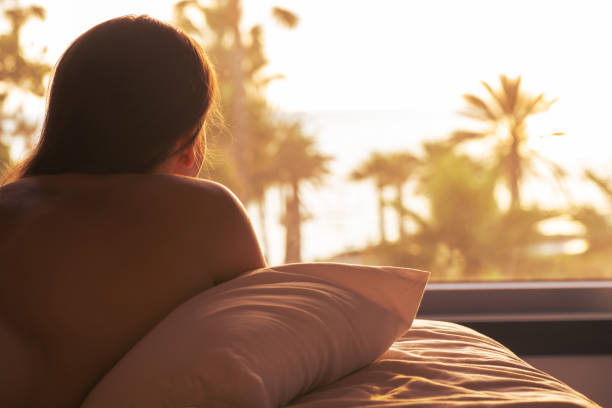
Pick rooms with the best views — preferably villas with private pools overlooking the sea, mountains, or forested nature. - Follow your own rhythm
No alarms, wake naturally, enjoy full freedom. No need to rush to buffets — order room service for breakfast and savor your private space. - Switch activities freely
Spend your day walking, swimming, reading, daydreaming, listening to music, or doing spa treatments — all at your leisure with no fixed schedule. Rest whenever tired, sleep whenever needed, completely relax. - Avoid digital distractions
Turn off your phone, disconnect from the internet, avoid social media and work emails to create a space free of real-world pressures. - Bring your favorite snacks and drinks
Prepare some favorite treats, fruits, or beverages to enjoy quietly on the balcony or by the pool, fully savoring the moment.
The True Meaning of “Soaking” in a Hotel
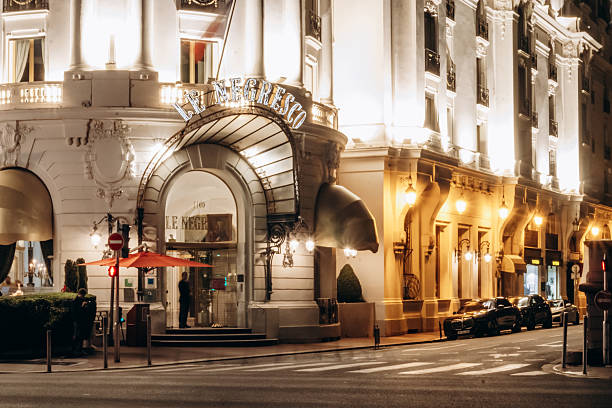
“Hotel soaking” is not just about staying in a hotel, but a lifestyle art of complete physical and mental relaxation and rejuvenation. For modern people burdened with life and work stress, this kind of recuperation refreshes the mind and body, boosting work efficiency and life quality after returning.
Cost and Value
In China, some boutique five-star hotels can be pricey, but in many Southeast Asian resorts abroad, prices are relatively affordable, and with points or discounts, you can get great deals. With good planning, “hotel soaking” doesn’t have to be expensive — sometimes it even offers better value than frequent short trips.
Other Small Things That Improve Happiness: The PS5 Example
Finally, let’s talk about buying a PS5. Some ask, “What’s the point of buying a PS5?”
The greatest value of buying a PS5 is happiness. Even if you can’t play every day, having such entertainment at home is a source of satisfaction and joy. Middle-aged people enjoying the freedom to play games, buying games they like, and having time to enjoy them is itself a symbol of life quality.
- Both money and travel matter, but priorities differ depending on life stage and resources.
- There are many ways to broaden horizons; travel doesn’t always mean spending big money on trips.
- Staying at a five-star hotel isn’t about rushing through every activity, but learning to slow down and truly relax.
- “Hotel soaking” is a high-quality recuperation method to restore physical and mental energy.
- Using resources wisely and choosing a lifestyle that fits you is the key to a happy life.